How to Choose the Best Rural Water District for Safe, Sustainable Drinking Water
By Samira Khan • 27th Oct
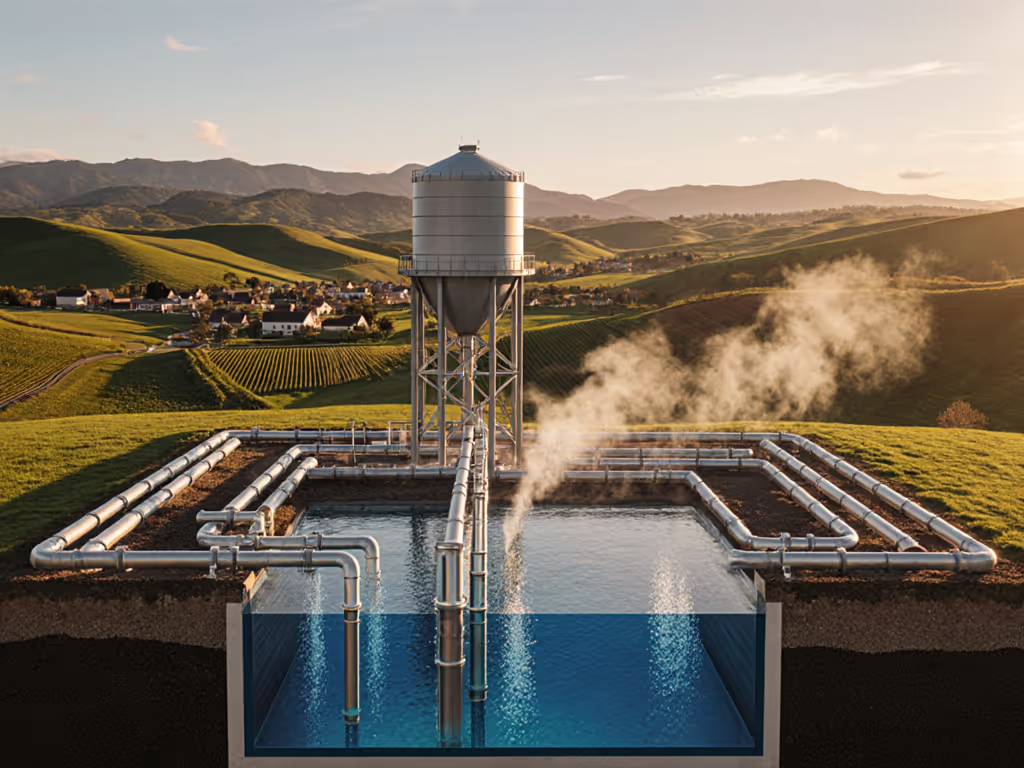
Picking the right rural water district can feel like choosing a health plan for your home’s tap. You want safe water, steady pressure, fair rates, and a system that treats the environment responsibly. Yet the fine print, technical reports, and local conditions vary widely across communities. This guide breaks down how to evaluate a rural water district step by step, and how to decide when a certified home filter adds an extra safety net for your family.
As you read, you will learn what to look for in quality reports, how to compare costs beyond the monthly bill, and which sustainability metrics actually signal resilience. You will also see how Clean Water, Less Waste helps you interpret publicly available test results (such as CCRs) into practical choices, using NSF/ANSI [National Sanitation Foundation/American National Standards Institute] standards as a reference. Along the way, we will include real-world examples, simple checklists, and tables you can reuse when you meet with district staff or attend a board meeting.
What Is a Rural Water District and Why It Matters
A rural water district is a local public utility or authority that delivers drinking water to homes and farms outside major metropolitan areas. Many serve fewer than 10,000 people, which means they operate with lean budgets and rely on groundwater wells or small surface reservoirs. That scale has advantages, such as local accountability and quicker fixes, but it also creates challenges in funding upgrades and meeting new regulatory targets set by the EPA [Environmental Protection Agency]. If you understand how a district is governed and funded, you can better predict service quality and future rates.
Most districts must publish an annual CCR [Consumer Confidence Report] that reads like a nutrition label for your tap. For step-by-step help, see our CCR interpretation guide. It lists detected contaminants, compares results to the MCL [Maximum Contaminant Level], and explains treatment practices. Think of the CCR as your baseline. Then layer on local context: Is the district dependent on a single well field, or does it blend multiple sources? Does agriculture surround the source water, increasing nitrate risk, or does wildfire threaten a nearby watershed and raise DBPs [Disinfection Byproducts] after intense rain? These questions turn a static report into a living risk profile.
Key Criteria to Evaluate a Rural Water District
When you compare districts, look beyond glossy brochures and start with evidence. A strong rural water district will show transparent water quality trends, prudent finances, and a plan for droughts, floods, and power outages. For home preparedness during extended outages, consider our no electricity water filter picks. You should also see clear lines of accountability: elected or appointed board members, open meetings, and documented emergency response procedures. Finally, consider growth. If new developments are coming, are there capital plans and rate structures to expand without degrading service for existing customers?
Watch This Helpful Video
To help you better understand rural water district, we've included this informative video from 8 News Now - Las Vegas. It provides valuable insights and visual demonstrations that complement the written content.
| Criterion | What to Review | Signals of Excellence | Potential Red Flags |
|---|---|---|---|
| Water Safety | CCR [Consumer Confidence Report], MCL [Maximum Contaminant Level] compliance history, recent violations | Multi-year compliance, clear explanations of treatment, proactive testing beyond minimums | Unresolved violations, vague language, frequent boil notices |
| Reliability | Outage logs, redundancy of wells or intakes, backup power | Multiple sources, generator coverage for key pumps, quick restoration times | Single source dependence, repeated main breaks, slow repairs |
| Sustainability | Non-revenue water rate, energy intensity, leak detection program | < 15 percent water loss, metering upgrades, published conservation goals | > 25 percent losses, no leak audits, no conservation messaging |
| Drought and Flood Resilience | Source water levels, drought contingency plan, flood protections | Tiered drought triggers, alternative sources, emergency interties | No plan, seasonal rationing every year, sediment spikes after storms |
| Governance | Board meeting minutes, audits, rate studies | Independent audits, transparent rate models, open Q and A sessions | Late audits, sudden rate hikes without studies, closed sessions |
| Customer Service | Response times, leak adjustments, online portals | 24 to 48 hour response, fair leak credits, clear alerts | Ignored tickets, opaque billing, outdated notices |
A practical tip is to email the district for three documents at once: the latest CCR, the most recent financial audit, and the current drought contingency plan. If staff reply quickly with clear files, that responsiveness is itself a useful data point. If they cannot provide them, consider it a sign to probe deeper. Meanwhile, talk with neighbors about outage frequency and pressure issues, and compare their lived experience with the district’s official records.
Reading Water Quality: CCRs, Testing, and Risk Profiles
Start with your district’s CCR [Consumer Confidence Report], then verify key concerns with your own tap testing if needed. If you're unsure which risks matter most, use our tap water contaminants checklist. The EPA [Environmental Protection Agency] requires community systems to summarize detected contaminants, but local risks differ. Agricultural districts often watch nitrate and microbial indicators; older towns may track lead from home plumbing under the LCR [Lead and Copper Rule]; wildfire-prone areas monitor turbidity and DBPs [Disinfection Byproducts] after storms. The best districts go beyond the minimum, testing PFAS [Per- and Polyfluoroalkyl Substances] and cyanotoxins if risk exists, and communicating results plainly.
Consider this reading order so you do not get lost in numbers. First, scan whether any chemical exceeds the MCL [Maximum Contaminant Level] or action level. Next, check treatment methods, such as GAC [Granular Activated Carbon] for organics, RO [Reverse Osmosis] for salts and PFAS [Per- and Polyfluoroalkyl Substances], or UV [Ultraviolet] for microbes. Then look for emerging contaminant data the district measured voluntarily. Finally, if your home has older plumbing, test for lead at the tap even if the CCR looks great; district tests are not substitutes for site-specific pipe conditions.
| Contaminant/Risk | Typical Source | Common Utility Treatment | Home Filtration Option | Relevant NSF/ANSI [National Sanitation Foundation/American National Standards Institute] Standard |
|---|---|---|---|---|
| Lead | Old service lines, in-home plumbing | Corrosion control, lead service replacement | Certified carbon block or RO [Reverse Osmosis] | 53 for health, 58 for RO systems |
| Nitrate | Fertilizer runoff, septic | Source protection, blending, RO | RO or anion exchange | 58 for RO performance |
| DBPs [Disinfection Byproducts] (THMs, HAAs) | Chlorine reactions with organics | GAC, optimized chlorination | GAC pitcher or under-sink systems | 42 for taste/odor, some reduction claims |
| PFAS [Per- and Polyfluoroalkyl Substances] | Industrial, firefighting foams | GAC, RO, ion exchange | Certified PFAS reduction filters | 53/58/401 depending on product claims |
| Microbes | Surface water, intrusion | Disinfection, UV | UV [Ultraviolet] system or 0.2 micron filters | P231 for microbial purifiers |
| TDS [Total Dissolved Solids]/Salinity | Mineral-rich aquifers | Blending, RO at plant scale | RO for aesthetic and some health reasons | 58 for RO systems |
Clean Water, Less Waste translates CCR findings into action by mapping risks to certified home solutions. We explain what NSF/ANSI 42 [National Sanitation Foundation/American National Standards Institute] covers (aesthetics like chlorine), what NSF/ANSI 53 covers (health contaminants such as lead), how NSF/ANSI 58 applies to RO [Reverse Osmosis], and when NSF/ANSI 401 addresses emerging contaminants. Because we summarize published performance data and capacity ratings, you can compare not just whether a filter works, but how long it will work before cartridges need replacement and what the waste footprint looks like over five years.
Costs, Conservation, and Sustainability Metrics
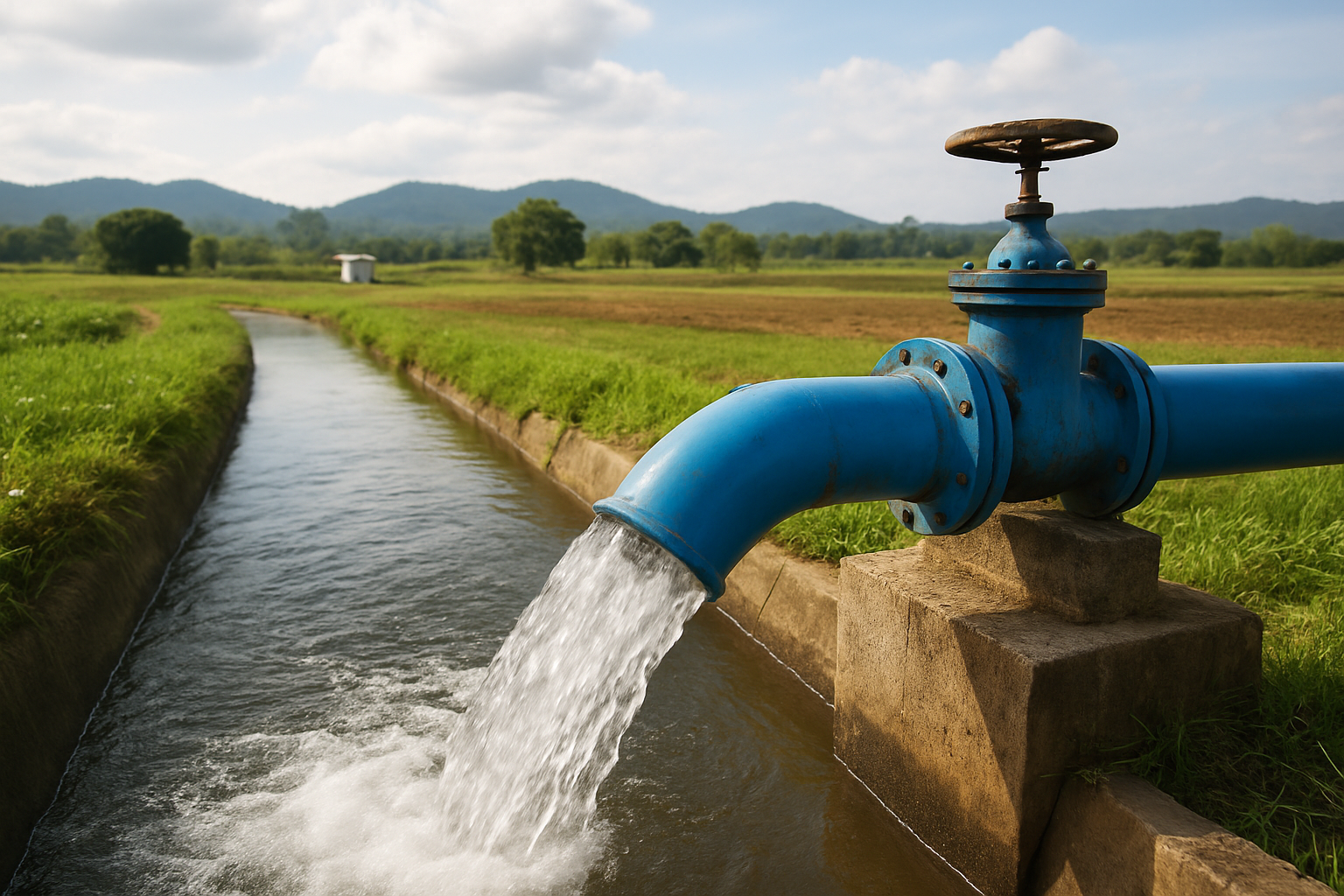
Rates are only part of affordability. Two districts with the same dollar per thousand gallons can affect your budget differently if one has a steep minimum bill or high fixed fees. Likewise, sustainability metrics hint at future rate stability. Systems that invest in leak detection, pump efficiency, and diversified sources often spend less on emergency repairs and drought surcharges later. You can evaluate a district’s financial health much like you would a household: steady income, managed debt, and a plan for big expenses before they hit.
| Item | Why It Matters | What to Ask the District | What to Calculate at Home |
|---|---|---|---|
| Base Charge and Volume Rate | Determines your monthly floor and usage cost | How are rates adjusted annually, and based on what study? | Your typical gallons times rate plus base |
| Minimum Bill or Tier Triggers | Can penalize low-use homes or encourage conservation | Is there a minimum usage baked in, and what are the tiers? | Compare bills at winter low use and summer high use |
| Connection and Capital Fees | Impacts new builds and expansions | What capital projects are planned and how are they funded? | Amortize fees over years to see true monthly cost |
| Non-Revenue Water | High losses raise costs and strain aquifers | What is the latest audit and leak detection schedule? | Prefer districts under 15 percent loss when possible |
| Energy Practices | Power mix affects emissions and resilience | Are pumps efficient and backed up by generators? | Expect better service during outages with backup power |
| Conservation Programs | Rebates reduce your costs and usage | Any rebates for high-efficiency fixtures or smart irrigation? | Stack rebates with your own leak checks to save more |
As you compare, model a year of bills using your actual usage. If you irrigate a garden, simulate summer months with higher outdoor demand and check whether tiers jump. Also note how the district communicates conservation during droughts. Clear, tiered stages with specific targets tend to work better than blanket restrictions, and they indicate a culture of planning rather than panic. That culture usually coincides with fewer emergencies and a steadier financial path.
Filtration at Home: Matching Filters to Your Source Water
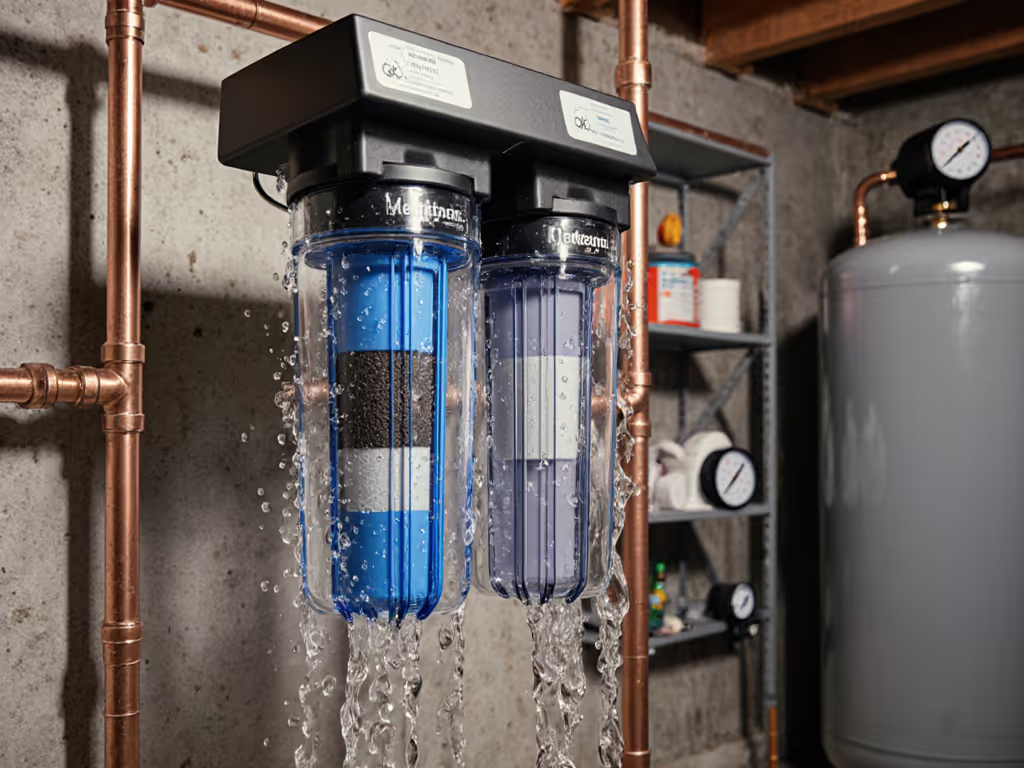
Even in well-run systems, many households add point-of-use filtration for taste or an extra health margin. The key is choosing filters that match your district’s profile and your home’s plumbing. Certified labels act as your safety compass. If you're comparing certifications, our NSF 42 vs 53 explainer clarifies what each standard guarantees. NSF/ANSI 42 [National Sanitation Foundation/American National Standards Institute] covers aesthetic improvements, NSF/ANSI 53 verifies reductions in health contaminants like lead and cysts, NSF/ANSI 58 applies to RO [Reverse Osmosis] performance, and NSF/ANSI 401 addresses some emerging contaminants such as pharmaceuticals. When products claim PFAS [Per- and Polyfluoroalkyl Substances] reduction, look for explicit listings and test conditions, not vague marketing language.
Clean Water, Less Waste helps you avoid trial and error by offering personalized filtration recommendations fed by your CCR [Consumer Confidence Report] and optional home test results. We present certified product reviews side by side, showing certification-verified contaminant reduction, cartridge capacity, replacement frequency, and projected five-year cost and waste footprint. For example, if your district shows low chlorine but elevated DBP [Disinfection Byproduct] levels in summer, we would highlight high-capacity GAC [Granular Activated Carbon] cartridges with NSF/ANSI 53 claims. If nitrate is a concern from upstream farming, we would compare RO systems certified under NSF/ANSI 58 and explain maintenance in plain terms.
| Home Concern | Good-Better-Best Options | What Certification Proves | Maintenance and Waste Notes |
|---|---|---|---|
| Chlorine taste and odor | Pitcher GAC, under-sink carbon block, whole-home carbon | NSF/ANSI 42 for aesthetic reduction | Pitchers replace often; carbon blocks last longer, less plastic |
| Lead at tap | Certified faucet-mount, under-sink carbon block, RO | NSF/ANSI 53 for lead reduction, 58 for RO systems | Under-sink filters minimize bottle waste; check flow rates |
| PFAS concern | Advanced carbon block, RO, dual systems | NSF/ANSI 53/58/401 depending on claim | Track cartridge life; fewer, larger cartridges reduce trash |
| Microbial risk (private well) | UV system, 0.2 micron filter, certified purifier | P231 validates microbial purifier performance | UV [Ultraviolet] uses power; pre-filters protect lamps |
Worried about waste from cartridges? You are not alone. We compare capacity per cartridge, annual replacements, and available recycling programs, so you can cut plastic by choosing higher-capacity formats and right-sizing flow. In many cases, a well-chosen under-sink system with long-lived cartridges can displace thousands of single-use bottles per year while keeping ongoing costs predictable. That is the kind of practical sustainability that feels good and saves money.
Special Considerations for Different Source Waters, Including Wells
Not all rural districts rely on the same source, and some homes mix district water with a backup well. Groundwater-fed systems tend to be stable but can carry hardness, iron, manganese, and occasional nitrate. If iron staining is a problem, review our tested iron removal systems for well water. Surface water sources offer soft water but may spike in turbidity and DBPs [Disinfection Byproducts] after storms or wildfires. If you rely on a private well, your testing responsibility is personal, and seasonal changes can be dramatic. Guides for various water sources, including well water, are essential because source-specific risks determine both district treatment and your home filtration plan.
At Clean Water, Less Waste, our source-specific guides explain what to test and how to act. For groundwater, we suggest baseline tests for hardness, iron, manganese, and nitrate, then show which NSF/ANSI 53 or 58 solutions fit. For surface water, we focus on organics and DBPs, explain how GAC [Granular Activated Carbon] timing matters, and when pre-filtration helps. For private wells, we outline a quarterly schedule for coliform, nitrate, and arsenic screening, plus shock chlorination protocols when needed. This structure helps you see patterns rather than isolated data points.
- Groundwater focus: hardness and nitrate; consider RO [Reverse Osmosis] or ion exchange and a scale-control plan.
- Surface water focus: organics and DBPs; prioritize high-capacity GAC with NSF/ANSI 53 claims.
- Private well focus: microbial and metals; plan UV [Ultraviolet] plus certified lead/arsenic solutions with P231 and 53 verification.
Step-by-Step Checklist and Questions to Ask Before You Sign Up
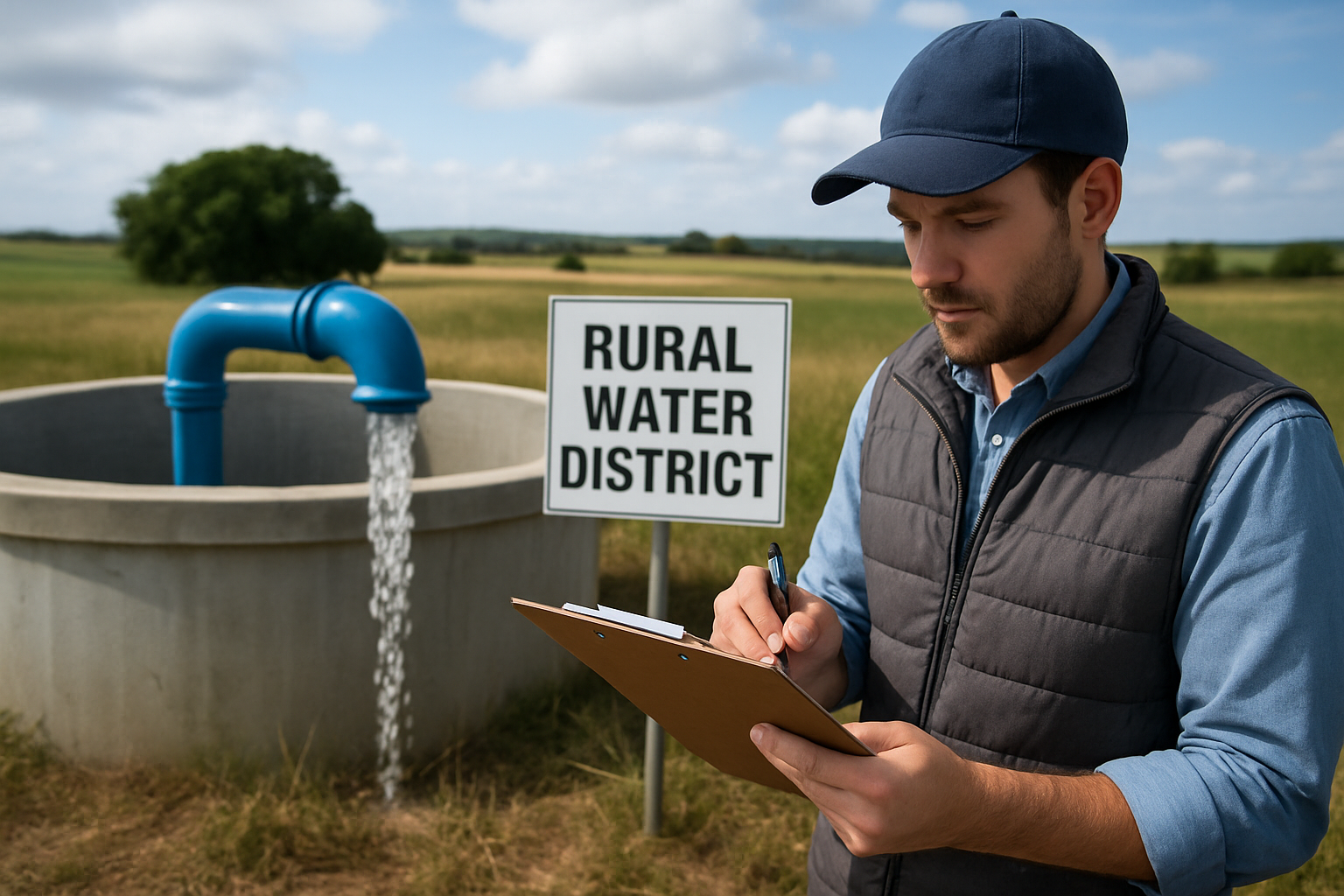
Turn research into action with a compact process you can complete over a weekend. First, pull your district’s CCR [Consumer Confidence Report] and skim for any MCL [Maximum Contaminant Level] exceedance or chronic close calls. Second, request the latest financial audit and any current rate study. Third, read the drought contingency plan and note triggers and alternative supplies. Fourth, compare your past or projected usage against the rate sheet to model annual costs. Finally, map detected or likely contaminants to certified home filters if you want added protection or better taste.
- What were the last three violations, if any, and what changed since?
- How many independent sources feed the system, and what backup power exists?
- What is the non-revenue water percentage, and when was the last leak audit?
- Which conservation rebates or customer tools are offered this year?
- How does the board publish agendas and respond to public questions?
- Which emerging contaminants are tested voluntarily, such as PFAS [Per- and Polyfluoroalkyl Substances]?
When you are ready to choose, bring a one-page summary to a board meeting or service counter. Short, specific questions get clearer answers than broad complaints. You will quickly see whether the culture is defensive or collaborative, and that culture often predicts future performance. If you still feel uncertain, use Clean Water, Less Waste to translate your CCR into certified, cost-aware home filtration choices that hedge remaining risks without overspending.
How Clean Water, Less Waste Simplifies Your Decision
Consumers often struggle to match lab reports with real products, especially when marketing muddles terms. Clean Water, Less Waste solves this by grounding every recommendation in certifications. We show how NSF/ANSI 42, 53, 58, and 401 claims map to the contaminants in your CCR [Consumer Confidence Report], and we annotate capacity, maintenance effort, and long-term waste footprint. By offering certification-based performance data and personalized guidance, the website enables users to compare filters on factors like certification-verified contaminant reduction, capacity, maintenance, and long-term waste footprint. That means fewer regrets, fewer returns, and fewer cartridges heading for the landfill.
You also get personalized filtration recommendations that adapt to your source water, whether that is a blended rural district supply or a private well. Our certified product reviews surface models that balance performance with affordability, then we run five-year scenarios to reveal the true total cost of ownership. If you want to go deeper, our in-depth explanations of certifications demystify the difference between NSF/ANSI 42 vs 53, what NSF/ANSI 58 really guarantees for RO [Reverse Osmosis], and when NSF/ANSI 401 is worth paying for. The result is confidence in both safety and sustainability.
Real-World Example: Two Districts, Two Paths
Imagine two neighboring communities with similar size but different approaches. District A runs on one aging well and routinely hits summer capacity limits, posting frequent pressure alerts. Its CCR [Consumer Confidence Report] is compliant, yet it tests only the minimums, has 28 percent non-revenue water, and no backup generator on its main pump. District B blends three wells, audits leaks annually, and publishes quarterly dashboards, including PFAS [Per- and Polyfluoroalkyl Substances] screening. It offers rebates for smart irrigation controllers and maintains an emergency intertie with a nearby city.
Households in District A often buy bottled water during outages and replace cartridges more frequently due to sediment surges. In District B, customers spend less on emergency workarounds and enjoy steadier water quality. Using Clean Water, Less Waste, both communities could pick filters tailored to their realities. In District A, we would recommend sediment pre-filtration to protect downstream carbon or RO [Reverse Osmosis] units, plus high-capacity GAC [Granular Activated Carbon] to buffer DBP [Disinfection Byproduct] swings. In District B, we might target taste and occasional PFAS with certified carbon blocks and longer interval replacements, reducing plastic waste over time.
Putting It All Together
Choosing well starts with clear criteria, verified data, and a plan that balances safety, reliability, and sustainability. A thoroughly vetted rural water district, plus a certified home filter matched to your specific risks, gives your family safe, great-tasting water without overspending. With a structured checklist, objective tables, and support from Clean Water, Less Waste, you can turn complex reports into simple, confident decisions. The next glass you pour can be both refreshing and responsible.
This guide delivered a roadmap to evaluate districts, read CCRs, compare costs, and select certified filtration that fits your home and your values. Imagine the peace of mind over the next 12 months as you track fewer surprises, fewer plastic cartridges, and steadier bills. What would it feel like to know your chosen rural water district and your home system are working together, not at odds?
Additional Resources
Explore these authoritative resources to dive deeper into rural water district.
Make Your Rural Water District Choice With Clean Water, Less Waste
With guides for various water sources, including well water, Clean Water, Less Waste delivers certification-based data and personalized guidance to compare filters by reduction, capacity, maintenance, and waste footprint.
Related Articles