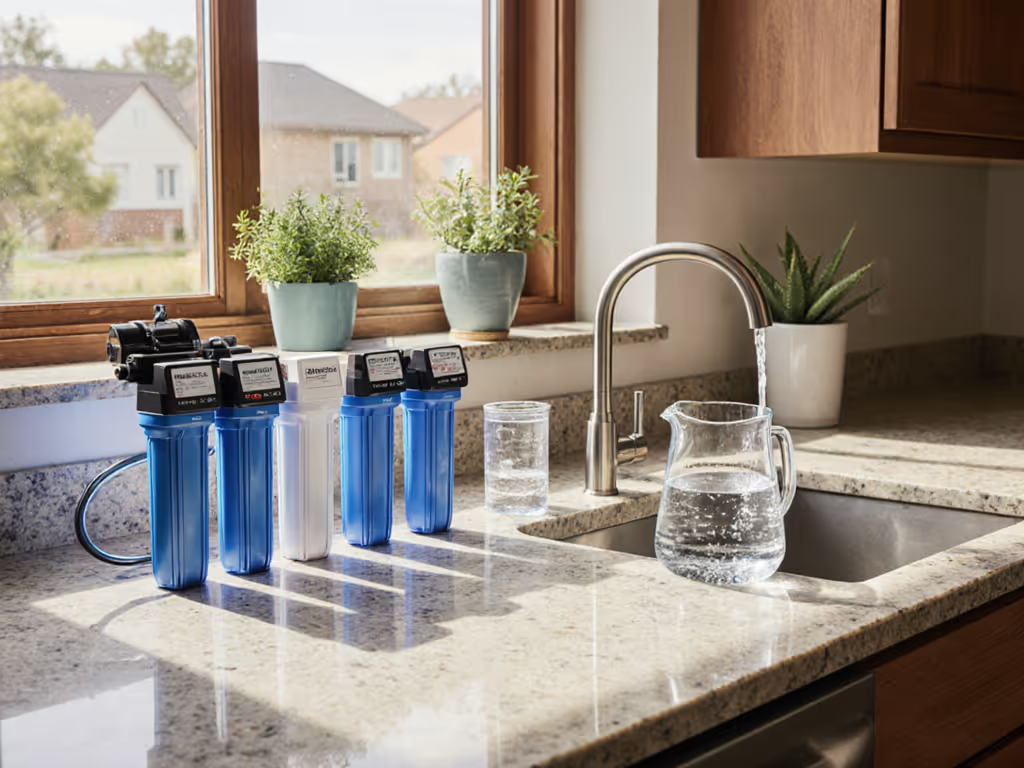
The Ultimate Guide to Home Water Filtration: Save Money, Reduce Waste, and Keep Your Water Clean
By Arjun Mehta • 23rd Oct
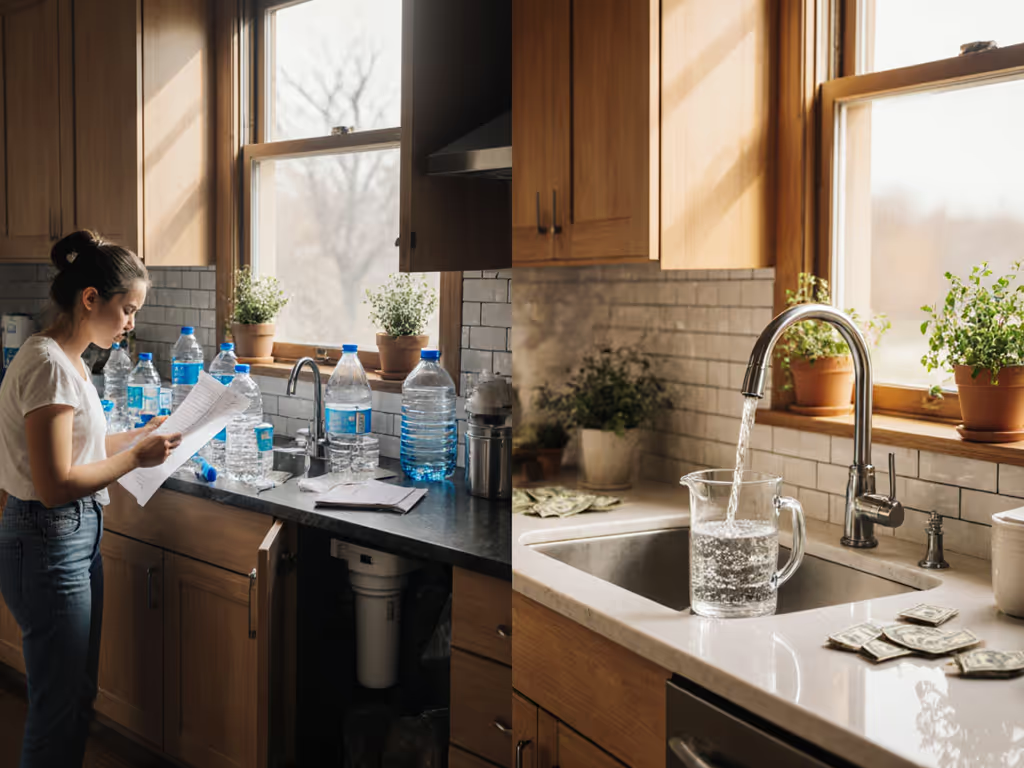
You do not need to be an expert to benefit from better household water management. With a clear plan, a few simple tools, and smart choices about filters and maintenance, you can extend appliance life, prevent costly repairs, and reduce your environmental footprint. Think of filtration like brushing your teeth for your home: skip it for a while, and problems compound. In the next few minutes, you will get a practical roadmap that blends safety, savings, and sustainability so your household water performs cleaner for longer. Along the way, you will also see how water quality touches everyday tasks, and how Clean Water, Less Waste helps households make certified, cost-conscious filtration decisions that support better home maintenance habits.
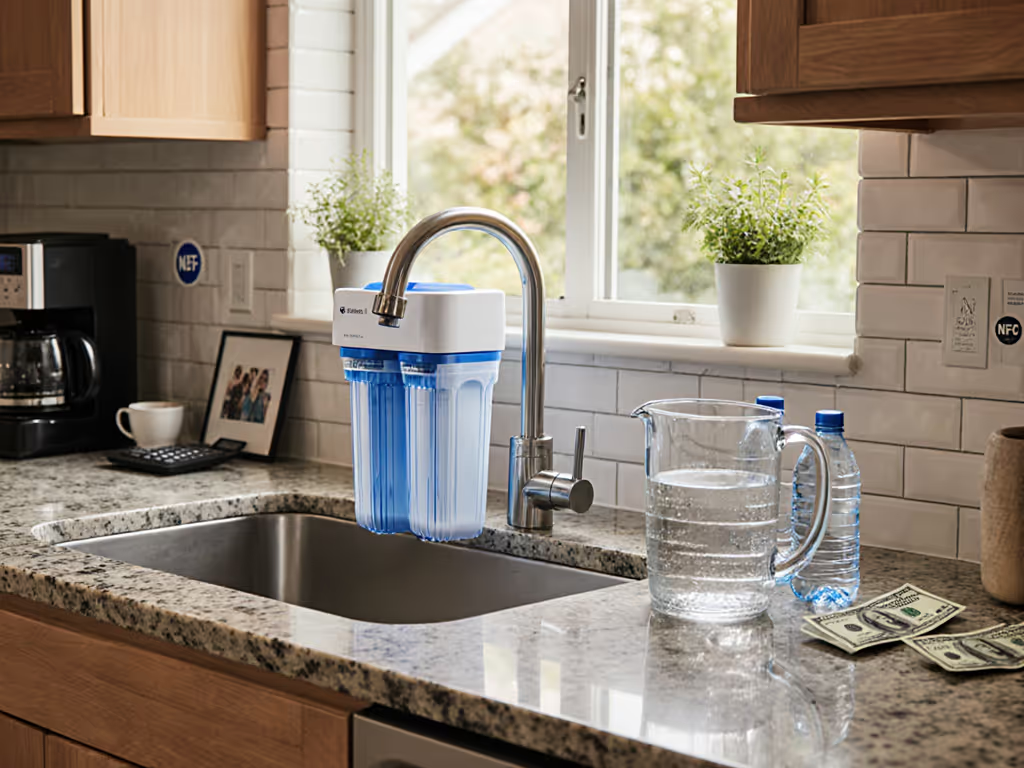
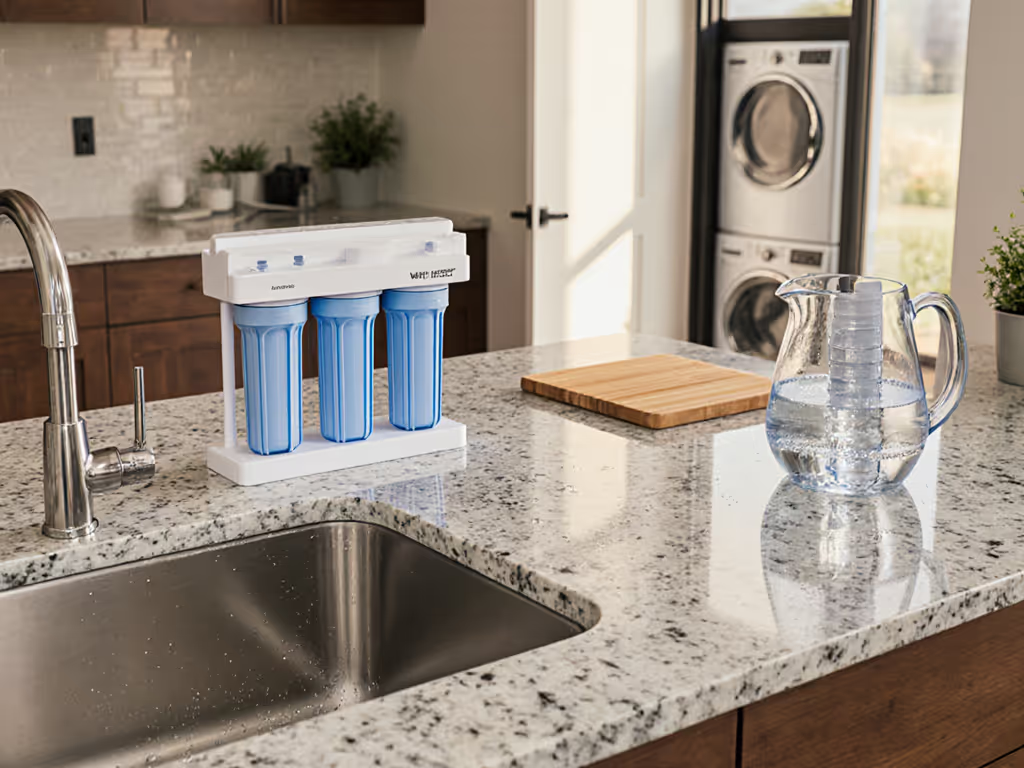
Why prioritize water filtration for home use? Minerals and contaminants in tap or well water create spots, haze, scaling, and corrosion that undermine cleaning, appliance performance, and plumbing longevity. Clean Water, Less Waste serves homeowners who want certified, evidence-based guidance on filtration, so every wash, fill, and rinse produces better results with less waste. By offering verified, certification-based performance data and personalized guidance, the site empowers you to compare filters by verified contaminant reduction, capacity, maintenance, and long-term waste footprint. If you're unsure what might be in your tap, start with our tap water contaminants checklist. Ready to make your household water routine simpler and greener without sacrificing reliability? Let’s dive in.
Why Preventive Care Pays: Wallet, Health, and Environmental Impact
Preventive maintenance for your water systems is one of the highest-return investments you can make in a household asset. Staying current on recommended filter changes and system checks can extend appliance life, reduce energy use, and avoid costly failures. That means fewer emergency calls for repairs, lower utility bills, and a calmer household. It also means better appliance efficiency, because descaled water heaters and cleaner coils reduce energy consumption. Have you ever noticed how a coffee maker or steam iron performs better after descaling? That is mineral buildup removed, improving function and longevity.
There is a health and indoor-air payoff too. Clean water reduces exposure to unwanted chemicals and particulates that can affect cooking, drinking, and humidifier performance. Meanwhile, properly functioning filtration systems help reduce odors and particulate loads that otherwise circulate indoors. If you wash at home, the rinse water you use matters: high mineral content leaves films on glass and fixtures, which can increase glare and spotting. The right household filtration system can support cleaning tasks, keeping surfaces streak-free and protecting finishes. Clean Water, Less Waste helps you select certified solutions that balance cost, performance, and waste, so your maintenance routine improves safety and cleanliness without inflating your trash bin.
Build a Smart Water Filter Maintenance Schedule
Every household and system has unique intervals, so manufacturer instructions are the gold standard. Still, a simple framework can keep you ahead of wear and fouling. Think in three horizons: frequent checks you do at home, seasonal services you plan before weather shifts, and annual items you schedule without fail. Frequent checks take minutes and save hundreds: inspect housings for leaks, check pressure gauges, and note taste or odor changes. Seasonal service bundles tasks that affect comfort and appliance health, such as softener recharge and prefilter replacement. Annual items tackle deeper maintenance like sanitizing tanks and testing water quality. For step-by-step fixes to common issues, see our water filter troubleshooting guide. Want a quick reference you can print for the utility closet? Start with this baseline and customize it to your systems.
Watch This Helpful Video
To help you better understand car repair and maintenance, we've included this informative video from EricTheCarGuy. It provides valuable insights and visual demonstrations that complement the written content.
| Interval | Tasks | Notes |
|---|---|---|
| Monthly | Inspect housings and fittings, check pressure/flow, smell and taste check | Look for leaks and pressure drops; record any changes |
| Every 3 to 6 months | Replace sediment or prefilter cartridges, clean faucet aerators | Shorter intervals for well water or high-sediment supplies |
| Every 12 months | Replace carbon cartridges, test water quality, sanitize system housings | Annual testing verifies performance and detects trends |
| Every 2 years | Inspect and service softeners, check UV lamp output, replace certain media | UV outputs decline; softeners may need media replenishment |
| 3 to 7 years | Replace RO membrane or major treatment media, service tanks | Intervals vary by use and incoming water quality |
| As specified | Pressure vessel replacement, whole-house system overhaul | Follow manufacturer timelines; critical wear items should not be deferred |
- Pro tip: Use a shared calendar and add recurring reminders for filter changes and annual water tests.
- If you monitor water quality, pair a test kit with a logging app to track readings and maintenance dates.
Water, Filters, and Cleanliness: The Science Behind Cleaner Water and Longer-Lasting Appliances

Water chemistry affects appliances and surfaces. Dissolved minerals cause scaling in heaters and kettles, chlorine can affect taste and some fixtures, and sediment can clog valves and nozzles. Each use case - drinking, cooking, rinsing, or appliance fill - has different quality goals, so matching the right technology is important. For example, a household reverse osmosis (RO) system, documented under National Sanitation Foundation/American National Standards Institute (NSF/ANSI) 58, can provide low-total dissolved solids water that helps reduce spotting and prolongs appliance life when low-mineral water is desirable.
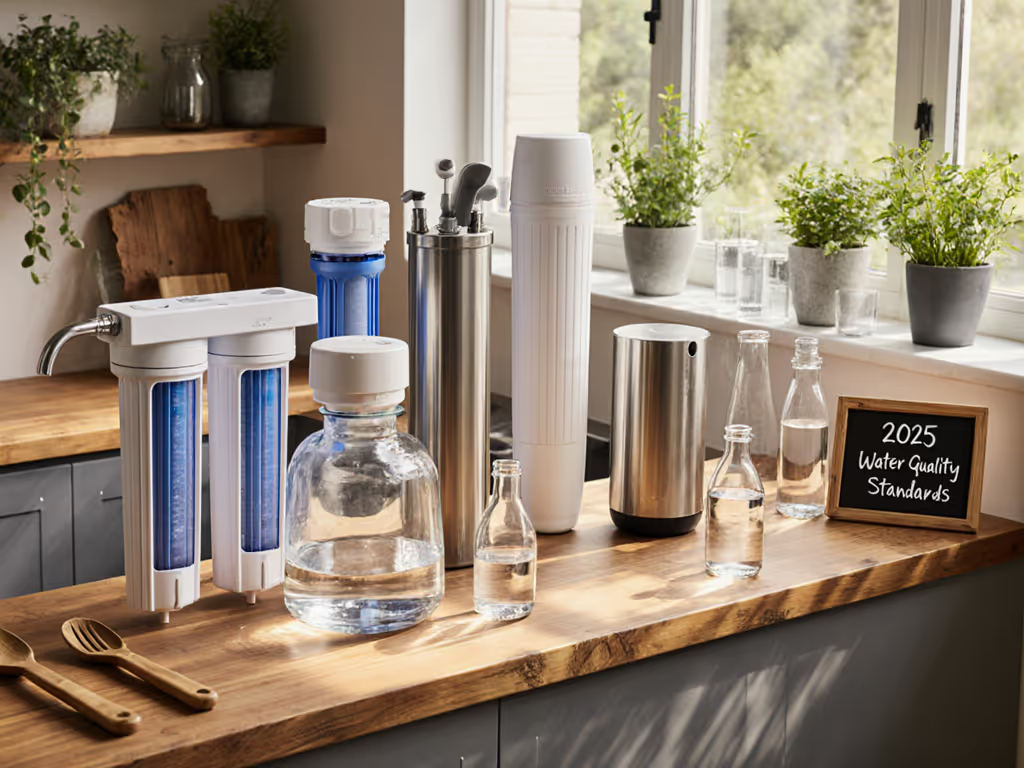
Filters are the unsung heroes. Sediment prefilters protect downstream systems from grit, carbon cartridges remove chlorine and organic tastes and odors, and RO membranes reduce dissolved solids. A clogged prefilter can reduce flow and allow sediments to pass through, while an exhausted carbon cartridge will no longer improve taste or odor. When you wash, minerals in water cause spots that etch glass and finish over time. Clean Water, Less Waste offers personalized filtration recommendations so your rinse water and household uses are optimized, protecting surfaces and appliances over time.
- Choose filters certified to the NSF/ANSI standards relevant to your needs, and record replacement dates.
- Replace prefilters on schedule to protect membranes and downstream cartridges.
- Use low-mineral water for sensitive appliance fills when possible to limit scale and deposits.
DIY vs Professional Service: Tools, Skills, and When to Call a Pro
There is a sweet spot where do-it-yourself (DIY) maintenance saves money without risking system performance. Cartridge swaps, housing cleaning, basic sanitization, and simple leak fixes are approachable with the right tools and care. Start with a wrench for housings, replacement O-rings, a flashlight, and a basic test kit for chlorine and hardness. But some jobs are best left to professionals with licensing and tools, such as whole-house system installs, complex plumbing hookups, electrical work for UV systems, and diagnostics for persistent contamination.
| Task | Skill Level | Time | Key Risks |
|---|---|---|---|
| Cartridge replacement | Beginner | 15 to 30 minutes | Cross-threading housings, failing to lubricate O-rings, contamination during change |
| System sanitization | Beginner to Intermediate | 45 to 90 minutes | Incomplete rinsing, improper disinfectant handling |
| RO membrane replacement | Intermediate | 1 to 2 hours | Damage to membranes, improper flushing |
| Softener media service | Intermediate | 1 to 3 hours | Incorrect brine setup, salt bridging |
| Whole-house system install | Advanced | 3 to 8 hours | Plumbing errors, incorrect pressure settings, code compliance |
What about choosing a service provider? Look for certifications from recognized organizations, transparent estimates, and clear communication about parts and waste handling. Ask if they follow manufacturer procedures and whether they can show before-and-after water test results. If you want to be more sustainable, ask how they handle used cartridges, media, and any hazardous wastes. It is reasonable to request that installed components meet NSF/ANSI or industry standards. Reliability and respect for your budget are not opposites when you ask the right questions.
Low-Waste Home: Cut Costs and Trash Without Cutting Performance
Waste reduction and cost control often go hand in hand. Start by following the longest recommended cartridge life permitted by your system and water quality, particularly if using high-capacity filters. Buying bulk replacement cartridges in appropriate sizes can reduce packaging waste, as does switching to refillable spray bottles and reusable microfiber towels for cleaning. Reducing hot water waste and proper appliance maintenance reduces energy use and demand on water heaters. Small habits compound into hundreds of dollars saved and a lighter bin on trash day.
Water efficiency is another quiet lever. If you rinse or wash at home, a low-flow nozzle and efficient cleaning methods reduce water consumption, and effective filtration can reduce product use by improving rinse performance. Clean Water, Less Waste emphasizes total ownership cost and waste footprint in its certified reviews, helping you pick systems that match tap or well conditions and your budget. You will also find guides on cartridge capacity and maintenance so you are not replacing filters too early or too late. Fewer cartridges, fewer spots, better results.
- Recycle used cartridges and packaging where programs exist, and check manufacturers' take-back options.
- Choose long-life cartridges and media to reduce change frequency without sacrificing performance.
- Adopt efficient cleaning routines and reduce hot water waste to lower energy use and extend appliance life.
Water Quality for Home Use: Spot-Free Washes, Safer Mixes, and Trusted Certifications

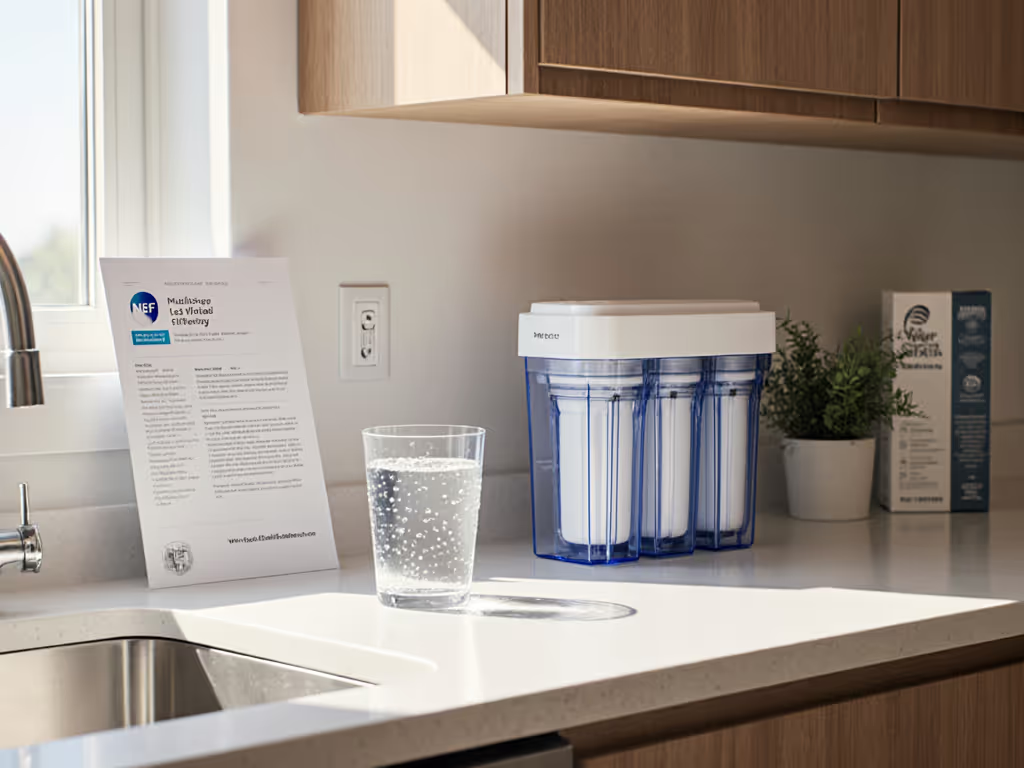
Mineral-rich water causes spots and streaks that bond to glass and fixtures, undermining the clean finish you want. For rinsing and for filling appliances, low-mineral water helps. If you are on municipal water, adsorption filters certified under National Sanitation Foundation/American National Standards Institute (NSF/ANSI) 42 can reduce chlorine and improve taste and odor, which is helpful for drinking and interior uses. If you need contaminant reduction beyond aesthetics, standards like National Sanitation Foundation/American National Standards Institute (NSF/ANSI) 53 address health-related contaminants, while National Sanitation Foundation/American National Standards Institute (NSF/ANSI) 58 covers reverse osmosis (RO) performance. For a quick primer on certifications, read our NSF 42 vs 53 guide. Well water households often benefit from sediment prefilters to protect downstream systems and reduce nozzle clogs during rinsing. If iron is the culprit, compare iron removal systems for well water tested for iron, sulfur, and bacterial issues.
This is where Clean Water, Less Waste shines. The site provides personalized filtration recommendations and certified product reviews with National Sanitation Foundation/American National Standards Institute (NSF/ANSI) standards, so you can compare options using verified performance data rather than marketing claims. By offering verified, certification-based performance data and personalized guidance, the website enables users to compare filters on factors like verified contaminant reduction, capacity, maintenance, and long-term waste footprint. You will find in-depth explainers on what National Sanitation Foundation/American National Standards Institute (NSF/ANSI) 42 versus National Sanitation Foundation/American National Standards Institute (NSF/ANSI) 53 means, how cartridge capacities translate into annual costs, and which solutions fit kitchen taps versus outdoor hoses. The result is clearer glass, smoother finishes, safer appliance fills, and fewer cartridges in the trash.
| Certification | What It Covers | Why It Matters for Home Use |
|---|---|---|
| National Sanitation Foundation/American National Standards Institute (NSF/ANSI) 42 | Aesthetic effects, such as chlorine, taste, and odor | Improved taste and reduced chlorine odor for drinking and cooking |
| National Sanitation Foundation/American National Standards Institute (NSF/ANSI) 53 | Health-related contaminants, such as lead and volatile organic compounds | Protection where children, pets, or food contact are concerns |
| National Sanitation Foundation/American National Standards Institute (NSF/ANSI) 58 | Reverse osmosis (RO) system performance | Low-mineral water for spot-reduced rinsing and sensitive appliance fills |
| National Sanitation Foundation/American National Standards Institute (NSF/ANSI) 372 | Lead content in wetted parts | Assurance that filter hardware itself meets low-lead requirements |
Costs, Payoffs, and Warning Signs: Make Data-Driven Decisions
Curious what preventive care actually saves? Small maintenance steps are budget-friendly and prevent large bills. For example, replacing a sediment prefilter promptly might cost a few dozen dollars, while letting sediment damage an RO membrane or appliance valve can lead to several hundred dollars in repairs. Keeping scale under control can extend water heater life and preserve efficiency, which saves energy and replacement costs. Even a simple carbon cartridge swap improves taste and reduces complaints about odor. Want a snapshot you can discuss with your installer?
| Item | Preventive Cost | Deferred Repair Cost | Bonus Benefit |
|---|---|---|---|
| Sediment prefilter | $15 to $50 | $200 to $800 for clogged valves or membrane damage | Protects downstream components and maintains flow |
| Carbon cartridge | $30 to $100 | $200 to $600 for taste/odor remediation or plumbing work | Better water taste and reduced chlorine exposure |
| RO membrane | $80 to $250 | $600 to $1,500 if contaminants are allowed to foul appliances | Significantly lower dissolved solids for sensitive uses |
| Whole-house service | $150 to $400 | $1,000+ for corrosion or major plumbing replacements | Improved overall water quality and longer appliance life |
Finally, do not ignore early signals. Changes in taste, persistent odors, staining on fixtures, and cloudy glass after cleaning are your home's voice for water quality. A metallic or bitter taste may indicate corrosion or dissolved metals; rust-colored water can signal pipe corrosion or high iron; musty smells can point to microbial issues. If your glass stays cloudy after cleaning, consider your water quality. Clean Water, Less Waste can help you make a certified, cost-effective update to your filtration setup so your cleaning and appliance maintenance actually deliver the results you expect.
Water Quality Troubleshooting Quick Reference
| Symptom | Likely Cause | Do Now | Typical Cost Range |
|---|---|---|---|
| Cloudy glass after washing | Hard water minerals or residual detergent | Use low-mineral filtered rinse water, test hardness | $50 to $300 for point-of-use filtration hardware |
| Metallic or bitter taste | Corrosion, dissolved metals | Test for metals, consider certified contaminant-reduction filter | $100 to $600 depending on solution |
| Staining on fixtures | High iron or manganese | Collect sample, test, and install appropriate iron removal | $200 to $1,500 |
| Low flow | Clogged prefilter or scale buildup | Inspect and replace prefilters, check pressure | $15 to $200 |
| Musty smell in water | Microbial growth or organic matter | Sanitize system and test for bacterial contamination | $50 to $400 for testing and remediation |
As you align your water plan with your household’s goals, consider the broader picture. You want reliable water quality, safer fixtures, and a lighter waste footprint. That is exactly where Clean Water, Less Waste adds value. It equips you with certified product reviews aligned to NSF/ANSI standards, personalized recommendations, and cost calculators that clarify lifetime expenses and cartridge waste. The same data-driven mindset you bring to other home decisions can guide water choices that make cleaning easier, reduce streaks, and protect appliances.
Ready to put it all together? Start small: set cartridge reminders, refresh prefilters, and note how water taste and appliance performance change. Then assess your water quality so each rinse and fill supports longevity, not undermines it. With a plan and a few smart upgrades, your home will benefit from cleaner water and longer-lasting equipment, and your maintenance bin will be leaner. When you want a certified, tailored water solution for your household, Clean Water, Less Waste is your trusted companion.
Core promise: Use data-driven water filtration decisions to save money, reduce waste, and keep your home water clean. Imagine the next 12 months with fewer surprises, better-tasting water, and gleaming surfaces after every rinse. What one maintenance habit will you start today to protect your budget, your family’s time, and the results you care about?
Additional Resources
Explore these authoritative resources to dive deeper into car repair and maintenance.
- THE BEST 10 AUTO REPAIR near BOURBONNAIS, IL 60914 - Yelp
- Car Care Auto Center: Auto Repair in Bourbonnais, IL
Upgrade Home Water Filtration With Clean Water, Less Waste
Homeowners can compare contaminant reduction, capacity, upkeep, and waste via certified product reviews with National Sanitation Foundation/American National Standards Institute (NSF/ANSI) standards and personalized guidance for better household water outcomes.
Related Articles