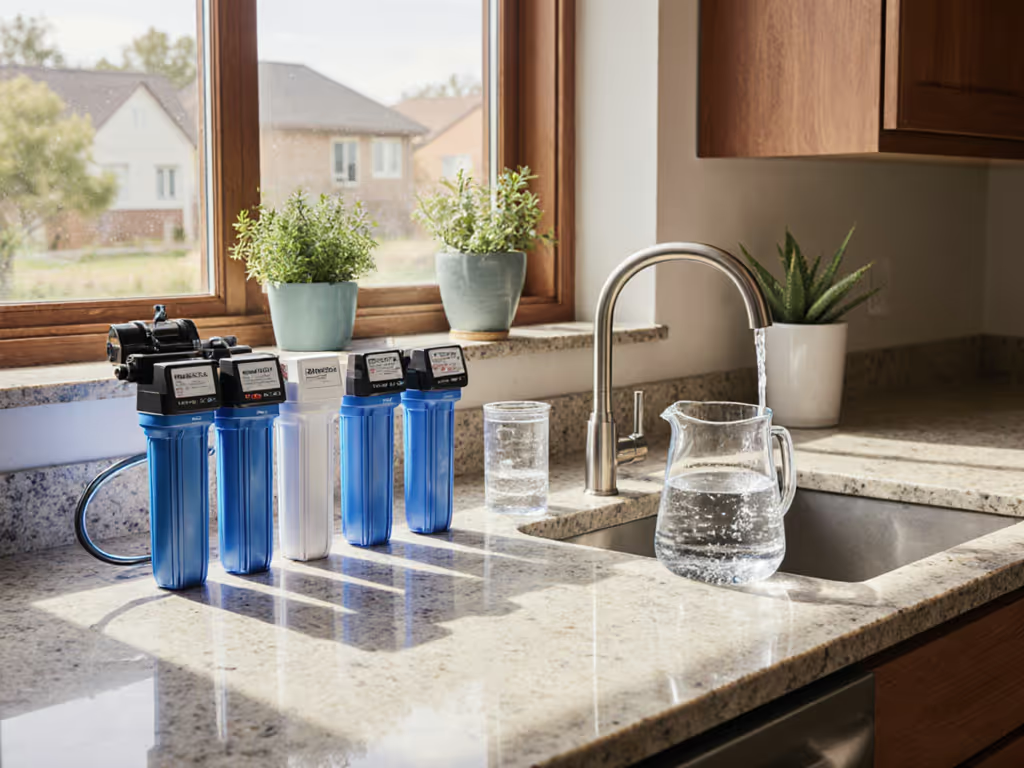
S&P 500 Stock Price Explained: What Every Homeowner Needs to Know Before Investing in the Market
By Diego Alvarez • 24th Oct
S&P 500 Stock Price Explained: What Every Homeowner Needs to Know Before Investing in the Market
S&P 500 Stock Price Explained: What Every Homeowner Needs to Know Before Investing in the Market
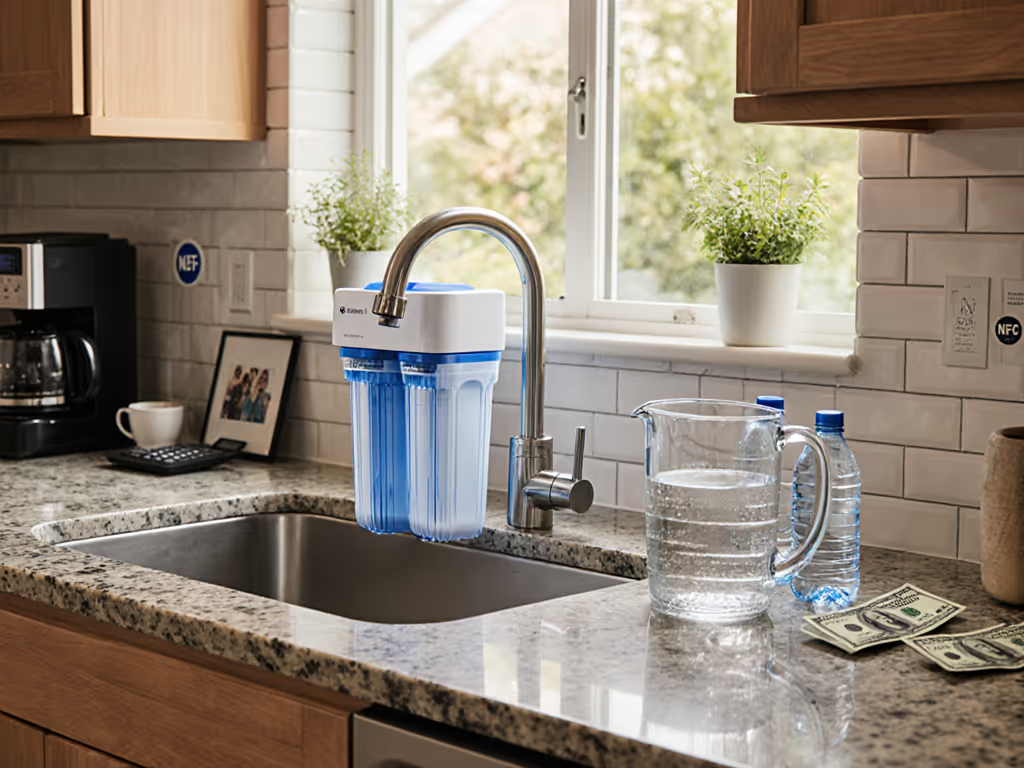
Homeowners juggle many decisions that affect household costs and long-term resilience. From comparing roof quotes to testing well water, each choice has measurable effects on recurring spend and quality of life. Clean Water, Less Waste focuses on helping homeowners make confident water filtration decisions by providing verified product reviews, filtration guides, and water quality insights. When you understand what to test for, how certifications matter, and how to compare total cost and waste footprint, you can make durable choices that lower ongoing expenses and protect your household’s water quality.
In this guide, you will learn what to look for in filtration performance, how to read verified test data and certifications, and how to build a simple, resilient household plan for water quality and costs even if you are busy running a home. Along the way, we highlight Clean Water, Less Waste’s approach - personalized recommendations, certified filtration solutions, and cost and waste footprint analysis - to show why verified data and certifications matter when choosing a water filter.
Why Filtration Choices Matter to Homeowners
For most households, a reliable filtration solution reduces health risks, improves taste and odor, and can lower recurring maintenance and replacement costs. Certified systems that match your water profile tend to require fewer cartridge swaps and produce less plastic waste over time. That mix of upfront investment and long-term operating cost matters when you balance major costs like property taxes, insurance, repairs, and everyday household spending. Choosing the right system up front can save money and hassle down the road.
As a homeowner, you already weigh trade-offs: price versus durability, convenience versus long-term cost, and immediate fixes versus systems that last. Clean Water, Less Waste exists to solve that clarity problem in water filtration by leaning on certifications, independent testing, and personalized guidance. That philosophy - focus on verified performance and total cost of ownership - translates directly into lower waste and more predictable household budgets.
How Home Priorities Intersect With Water Filtration Choices
| Homeowner Priority | Filtration Lens | Practical Takeaway |
|---|---|---|
| Stable budget for essentials | Predictable maintenance and replacement costs | Choose systems with clear cartridge lifespans and affordable consumables |
| Lower long-term costs | Evaluate total cost of ownership, not just purchase price | Longer-life filters and lower replacement frequency reduce lifetime spend |
| Verified product performance | Look for NSF/ANSI certifications and independent test data | Prefer certified claims over marketing language |
| Reducing waste footprint | Assess cartridge waste, packaging, and disposal options | Choose systems with recyclable parts and higher capacity |
What Affects Water Quality and Filter Performance Day to Day?
Household water quality and filter performance respond to clear, practical factors: the contaminants present in your source water, flow rate and pressure, cartridge capacity and saturation, and how consistently systems are maintained. Seasonal changes, municipal treatment variations, or well conditions can alter contaminant loads, and that affects when cartridges need replacing. Learn how seasons affect water quality and certification needs in our seasonal water quality guide. Routine testing and awareness of these drivers make it easier to plan maintenance and avoid surprises.
Watch This Helpful Video
To help you better understand sandp 500 stock price, we've included this informative video from Ryan Scribner. It provides valuable insights and visual demonstrations that complement the written content.
Positioning and usage patterns matter too. High-flow fixtures, sediment loads, or unexpected events like construction near a well can shorten filter life. That is why scheduled testing and simple maintenance checks pay off: identify whether an issue is source-related, mechanical, or simply a saturated cartridge. Use those drivers to frame decisions: is the problem contaminants, capacity, or installation-related?
Key Drivers of Water Quality & Filter Performance
| Driver | What It Means | Why It Matters | Common Proxy |
|---|---|---|---|
| Contaminant load | Types and concentrations of pollutants | Determines which filtration technologies and certifications are required | Water test results (lead, iron, PFAS, etc.) |
| Flow rate and pressure | How much water passes through the system | Affects contact time and removal efficiency | Measured household flow and fixture usage |
| Cartridge capacity | Amount of contaminant throughput before saturation | Sets replacement intervals and ongoing cost | Manufacturer capacity rating and independent tests |
| Source variability | Seasonal or one-off changes in source water | May require monitoring or adaptable solutions | Periodic lab testing |
| Installation and maintenance | Proper setup and timely cartridge changes | Crucial for consistent performance and warranty compliance | Maintenance schedule adherence |
Benefits Demystified: Performance, Cost, and Health
Marketing often highlights headline features, but true value comes from overall performance and ongoing costs. Certified contaminant reduction, realistic capacity figures, and maintenance requirements determine the real benefits you receive. Consider both immediate improvements - like taste and odor - and long-term outcomes such as reduced health risks and lower consumable spending.
Another common trap is judging a filter only by upfront price. A lower initial cost can mask frequent cartridge replacements or poor contaminant reduction. When you compare certified performance and total cost of ownership, you are less likely to be surprised by hidden expenses or subpar results.
- Immediate performance: Does the filter reduce the contaminants you care about?
- Ongoing cost: Replacement cartridge price and frequency
- Total cost of ownership: Purchase, installation, maintenance, disposal
- Health impact: Reduction of health-relevant contaminants based on lab data
Practical Filtration Frameworks for Busy Homeowners
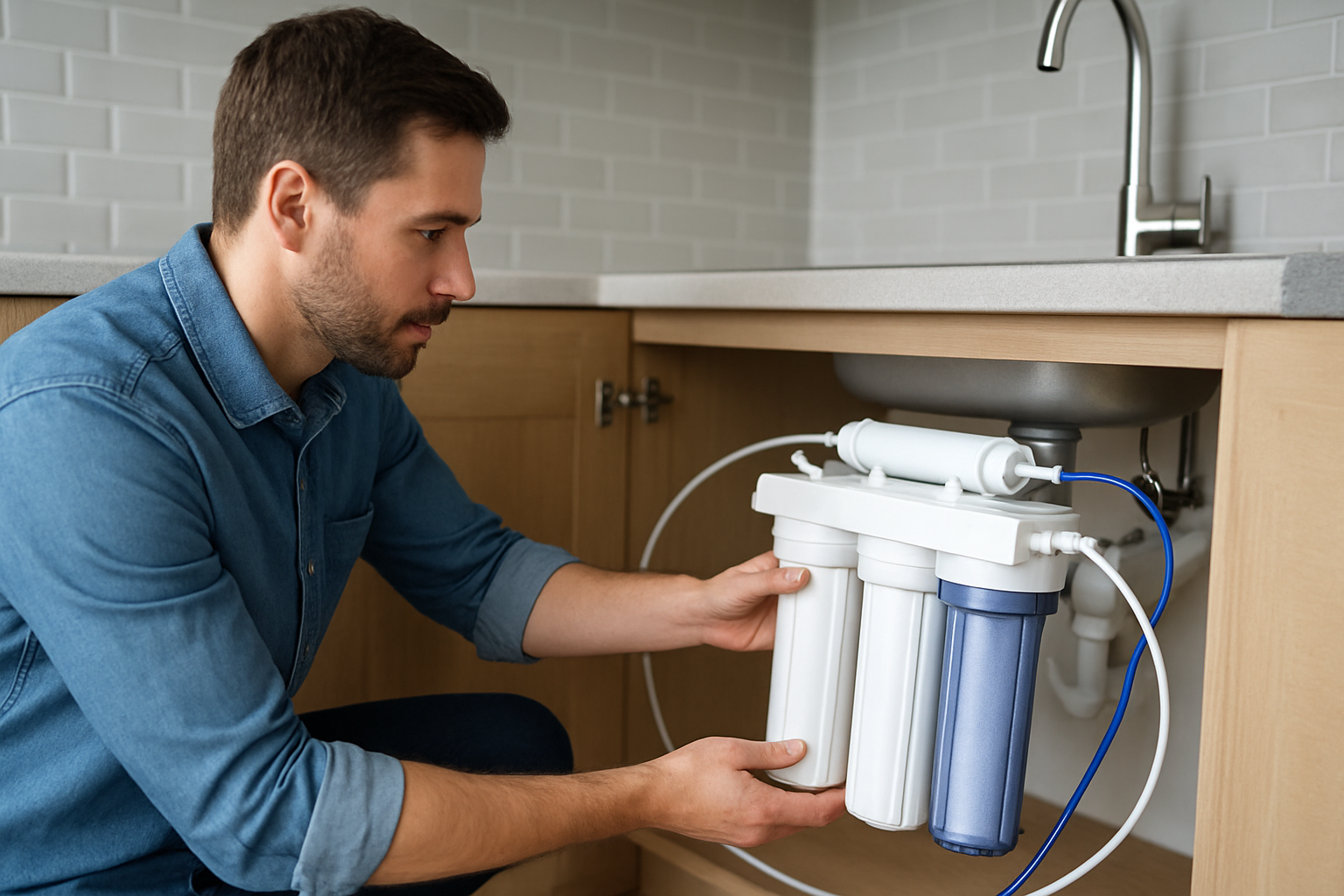
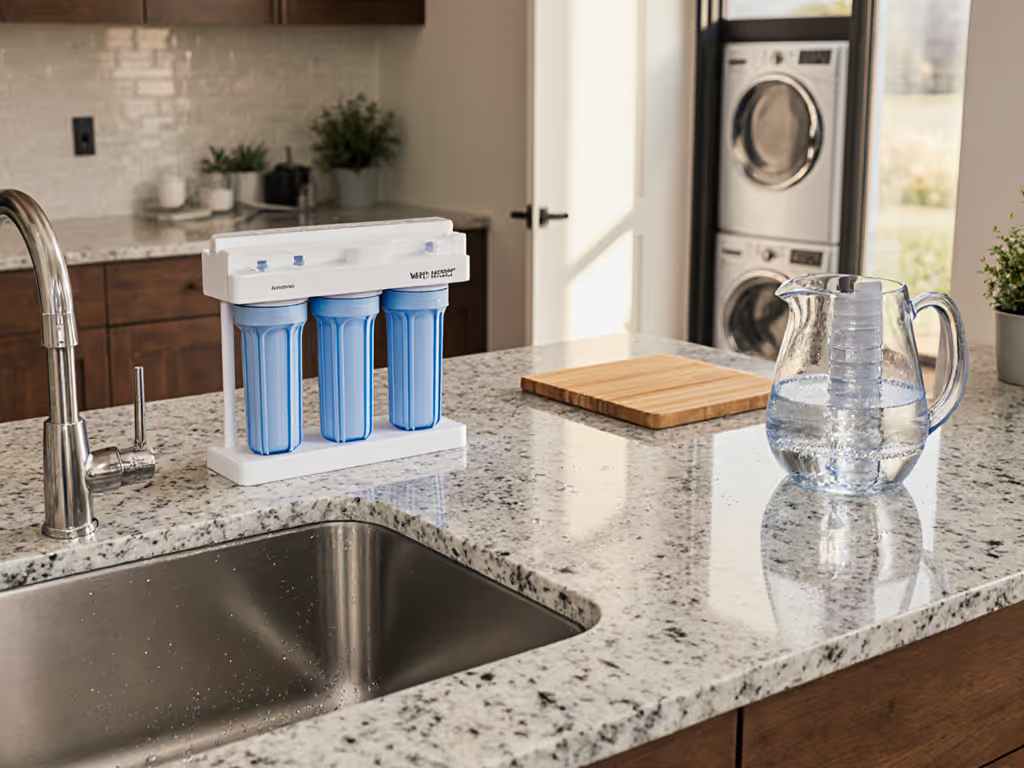
Clarity beats complexity. Start by testing your water to identify contaminants and concentrations. Money and effort intended for near-term repairs or upgrades should be planned separately from investments in longer-life systems. Use a straightforward decision sequence: test, match technology (e.g., sediment pre-filter, activated carbon, reverse osmosis), check certifications, and confirm capacity relative to household usage. Not sure which technology fits your contaminants? Start with our filtration tech primer. Automate maintenance reminders to avoid lapses that reduce effectiveness.
Next, tame the hidden drags. Choose systems with transparent capacity ratings and affordable, widely available replacement cartridges. Consider systems that minimize water waste and offer recyclable components. Revisit your choices annually to confirm the system still fits household patterns and test again if source conditions change. Above all, commit to simple routines: schedule cartridge changes, keep a spare set of consumables, and follow installation best practices to maintain performance.
Cost and Friction Checklist for Filter Choices
| Cost Item | Typical Range | Where It Shows Up | How to Reduce It |
|---|---|---|---|
| System purchase | Varies by type and capacity | Upfront installation | Compare certified models and lifecycle costs |
| Replacement cartridges | Annual to multi-year intervals | Ongoing consumable expense | Choose higher-capacity cartridges, buy in bulk, or select refillable options |
| Water waste (RO systems) | Varies | Excess water from filtration processes | Pick efficient RO designs or reuse reject water where safe |
| Installation and repairs | One-time or occasional | Plumbing and fittings | Follow manufacturer guidance, use certified installers if needed |
| Maintenance frequency | Behavioral | Missed changes reduce performance | Automate reminders and keep spare cartridges on hand |
Due Diligence, the Filtration Way: Applying Clean Water, Less Waste Standards at Home
If you have ever tried to pick a water filter, you know the pain of marketing claims that do not match reality. Clean Water, Less Waste solves that by publishing certified product reviews that reference NSF/ANSI standards and independent testing, comparing verified contaminant reduction, capacity, maintenance, and long-term waste footprint. That discipline - favoring independent verification, clear performance data, and total cost analysis - helps you avoid common pitfalls and select a solution that truly meets your home’s needs.
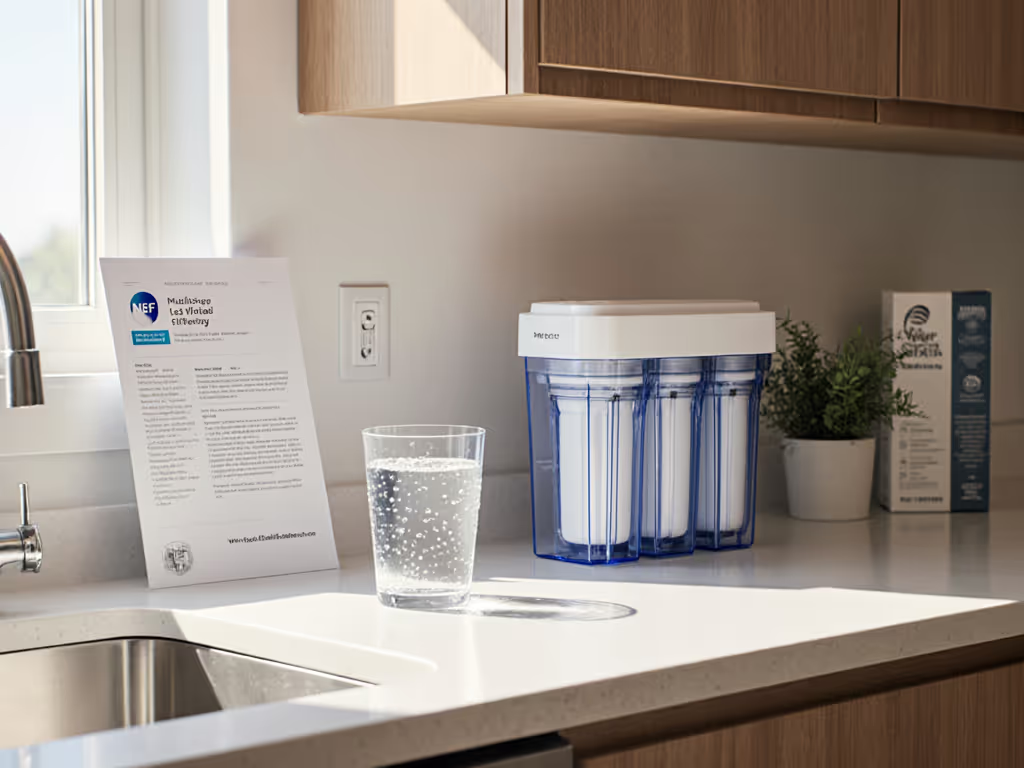
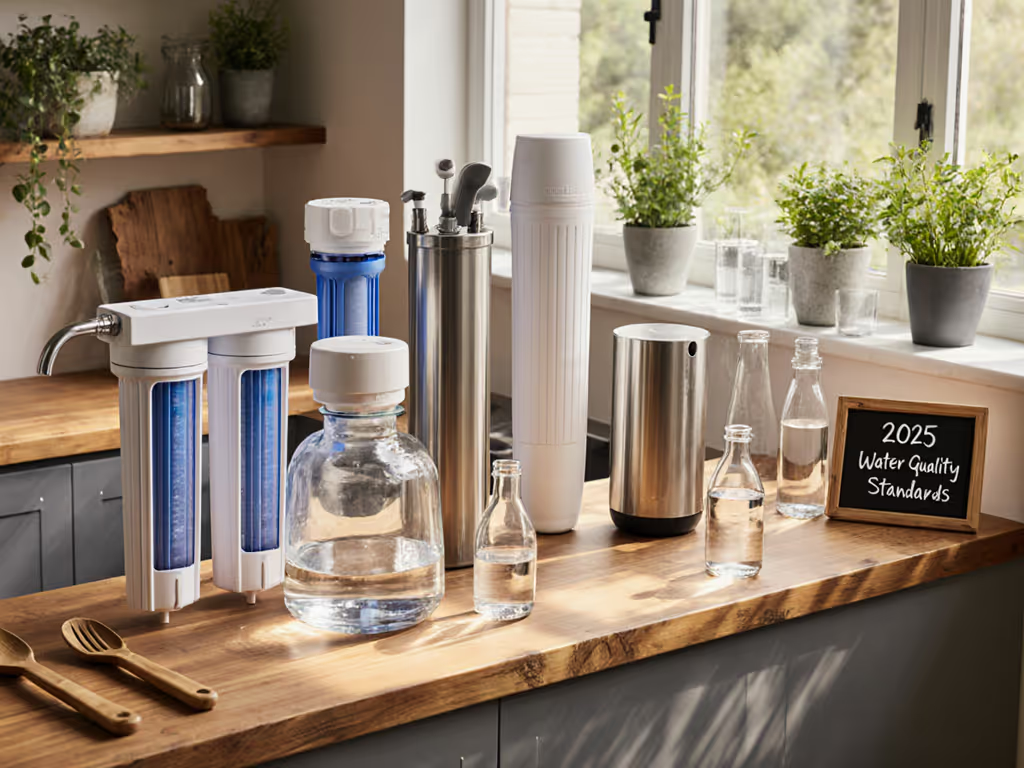
Here is a quick filtration certification primer that helps you decide. For a deeper breakdown of standards, see NSF 42 vs 53 explained. NSF/ANSI 42 covers aesthetic effects like chlorine taste and odor. NSF/ANSI 53 targets health-related contaminants such as lead. NSF/ANSI 58 applies to reverse osmosis systems. NSF/ANSI 401 addresses emerging compounds like pharmaceuticals. When Clean Water, Less Waste explains differences, you can make an informed choice for city or well water by matching certification to the contaminants identified in your test results.
Verification Mindset: Certification and Household Application
| Clean Water, Less Waste Approach | Household Application | Benefit to You |
|---|---|---|
| NSF/ANSI certification checks | Match certifications to contaminants found in your water test | Confidence that performance claims are testable and comparable |
| Personalized filtration recommendations | Choose systems sized and specified for your home’s usage and water profile | A plan matched to your specific needs |
| Emphasis on cost and waste footprint | Compare lifetime consumable costs and disposal impacts | Keep household costs and environmental impact lower |
| Guides for well water and city water | Targeted advice based on source and typical contaminants | Choose the right technology for each source |
When you adopt this verification mindset, you avoid fads and stick with evidence. That could mean selecting a certified reverse osmosis unit at a kitchen tap for high-sensitivity contaminants, complemented by a whole-house sediment pre-filter to protect plumbing. Just as Clean Water, Less Waste helps you match a filter to iron, lead, or PFAS based on lab data, you can match a filtration solution to your goals and constraints using clear, documented inputs.
Case Study: Turning Household Efficiency Into Lower Costs
Meet Jordan and Sam, homeowners with a busy household and a private well. They used Clean Water, Less Waste to choose a certified filter that reduces lead and PFAS under NSF/ANSI 53 and 401, lowering cartridge replacements and plastic waste. By comparing verified performance and capacity, they picked a system with a longer service life and lower long-term waste footprint, saving about 200 dollars per year on consumables and filter changes. Rather than letting the savings disappear, they redirected those funds to a home maintenance reserve and periodic water testing.
The habit of reinvesting efficiency gains into maintenance and testing reinforces water quality and avoids expensive surprises. Jordan and Sam treat home decisions with the same lens: verify, compare total cost, minimize waste, and automate maintenance. The result is a plan they can explain in plain English and maintain easily over time.
Small Decisions, Big Outcomes
| Action | Estimated Annual Impact | 20-Year Potential Effect |
|---|---|---|
| Regular water testing (annual or as needed) | Early detection of changes or contaminants | Avoid costly remediation and ensure appropriate system choice |
| Certified filter choice with longer capacity | 200 dollars saved plus fewer cartridges | Lower waste footprint and reduced lifetime costs |
| Choosing efficient RO or low-waste designs | Reduced water waste and utility impact | Lower utility bills and environmental benefit |
Risk, Resilience, and Behavior: Your Real Edge
Home systems require preparation. Filters can clog, cartridges can be forgotten, and source changes can occur. You cannot control source variability, yet you can control preparation. Keep spare cartridges, set calendar reminders for replacements, and schedule periodic testing. This is like keeping spare parts and following change intervals to avoid downtime and water quality surprises.
Behavior is often the biggest determinant of consistent performance. Delaying cartridge changes, skipping tests after known events (like nearby construction), or using the wrong replacement parts can erode effectiveness. Instead, write down simple maintenance rules: replace cartridges on schedule, test after any change in taste or appearance, and consult verified test data before upgrading components. The discipline you use to choose a certified, right-sized filtration system will be the discipline that keeps your home water reliable.
Budgeting Both Essentials and Filtration: A Homeowner Playbook

Before you commit to any system, map your home cash flows. List fixed costs, expected maintenance, and near-term projects like replacing a hot water heater or upgrading a well pump. Then line up efficiency moves. Clean Water, Less Waste provides personalized filtration recommendations that factor in NSF/ANSI certifications, filter capacity, and waste created by cartridges and packaging. Choosing a verified, longer-life filter can lower ongoing spend and reduce plastic, freeing room in your budget for other priorities without stretching finances.
Use this simple checklist to sync household upkeep and filtration. First, set aside a maintenance reserve for unexpected repairs. Second, schedule regular water testing and maintenance reminders. Third, review utility and service bills for savings opportunities. Fourth, treat large one-time upgrades as planned projects, not emergencies. Finally, set a calendar reminder to review both your filtration system’s maintenance schedule and your household maintenance plan once or twice per year. Small, consistent actions compound, whether in cleaner water or more predictable household spending.
Filter Selection Criteria and Household Application
| Filtration Criterion | Household Application | Reason It Helps |
|---|---|---|
| NSF/ANSI 42 vs 53 vs 58 vs 401 | Match certification to contaminants found in your water test | Know what the product actually removes |
| Capacity and replacement interval | How often you’ll change cartridges based on household use | Lower churn reduces ongoing costs and hassle |
| Total cost of ownership | Purchase, installation, consumables, and disposal | Keep net household costs lower over time |
| Waste footprint | Cartridge and packaging disposal | Less waste, more sustainable household practices |
Whether you are comparing filters for well water or selecting a point-of-use unit for city water, the process is identical: define the goal, use independent verification, compare total cost and impact, and choose the option that you can maintain over time. Clean Water, Less Waste exists to make that process easier for filtration decisions.
Frequently Asked Questions for First-Time Filter Buyers
How often should I test my water? Annual testing is a common baseline for many homeowners, with additional tests after events like plumbing work or noticeable changes in taste, odor, or clarity. Should I pick a point-of-use or whole-house system? That depends on your priorities: point-of-use (e.g., under-sink or countertop) can target specific contaminants for drinking and cooking, while whole-house systems protect plumbing and bathing water. How do I choose between systems? Start with a water test, match certifications to detected contaminants, and compare capacity and cost of ownership. Where do you get trustworthy information? To read your city's water report with confidence, use our CCR interpretation guide. Use certified lab results, NSF/ANSI listings, and Clean Water, Less Waste’s verified product reviews and guides.
Key Takeaways You Can Act On This Week
- Schedule a water test to identify primary contaminants.
- Request Personalized filtration recommendations from Clean Water, Less Waste based on your test results.
- Document a simple maintenance plan and set calendar reminders for cartridge changes.
- Audit total cost: purchase price, replacement cartridges, installation, and disposal.
- Apply verification thinking from Clean Water, Less Waste to every product you consider - look for NSF/ANSI certifications and independent test data.
- Use personalized filtration recommendations to lower recurring home costs and reduce waste.
Nothing here is personalized professional advice. Water quality varies by source and region; consider lab testing and consulting certified plumbers or water specialists to adapt these ideas to your situation.
Final Thoughts
Now you know what matters for household water quality, how certifications and capacity affect performance, and how to build a practical maintenance plan you can actually follow. Imagine your home in 12 months with reliable drinking water, lower recurring costs from better filtration choices, and a simple review routine that takes minutes, not hours. What one small step will you take today to align your budget, your filter, and your household’s water quality with the outcome you want next year?
Additional Resources
Explore these authoritative resources to dive deeper into sandp 500 stock price.
Find Certified Filters and Personalized Picks with Clean Water, Less Waste
Get verified, certification-based performance data and personalized guidance to compare filters on contaminant reduction, capacity, maintenance, and long-term waste footprint, tailored for homeowners focused on cost and waste.
Related Articles