How to Read S and P 500 Stock Price Trends: A Simple Guide for Smart Investors
By Nkechi Okafor • 29th Oct

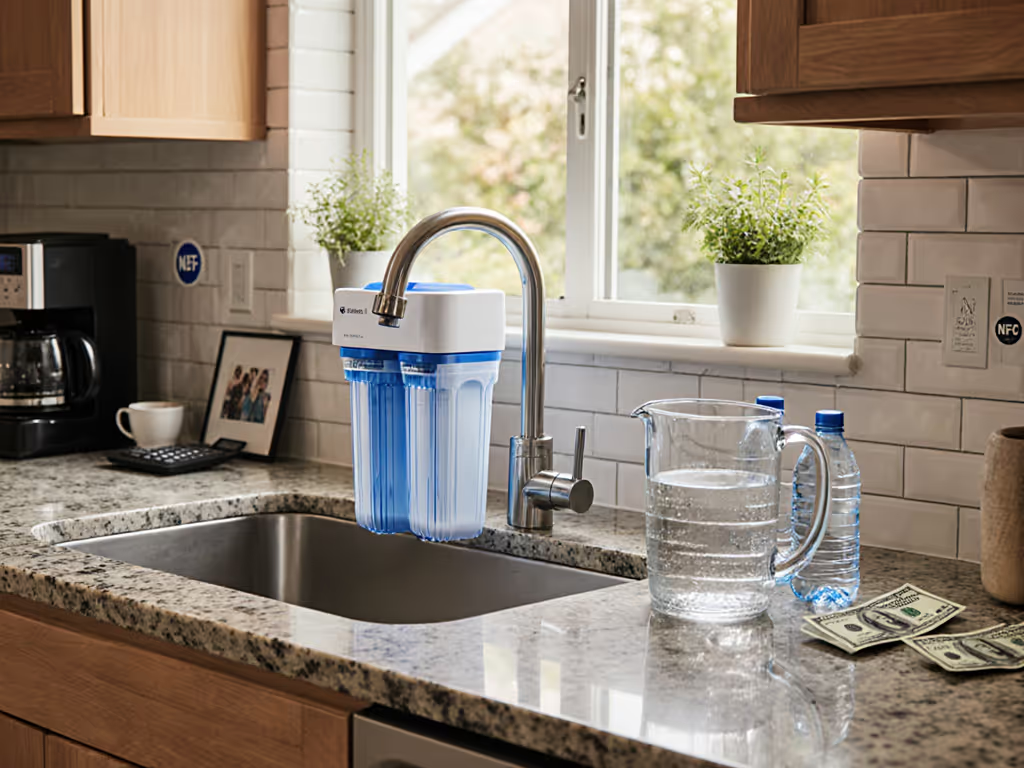
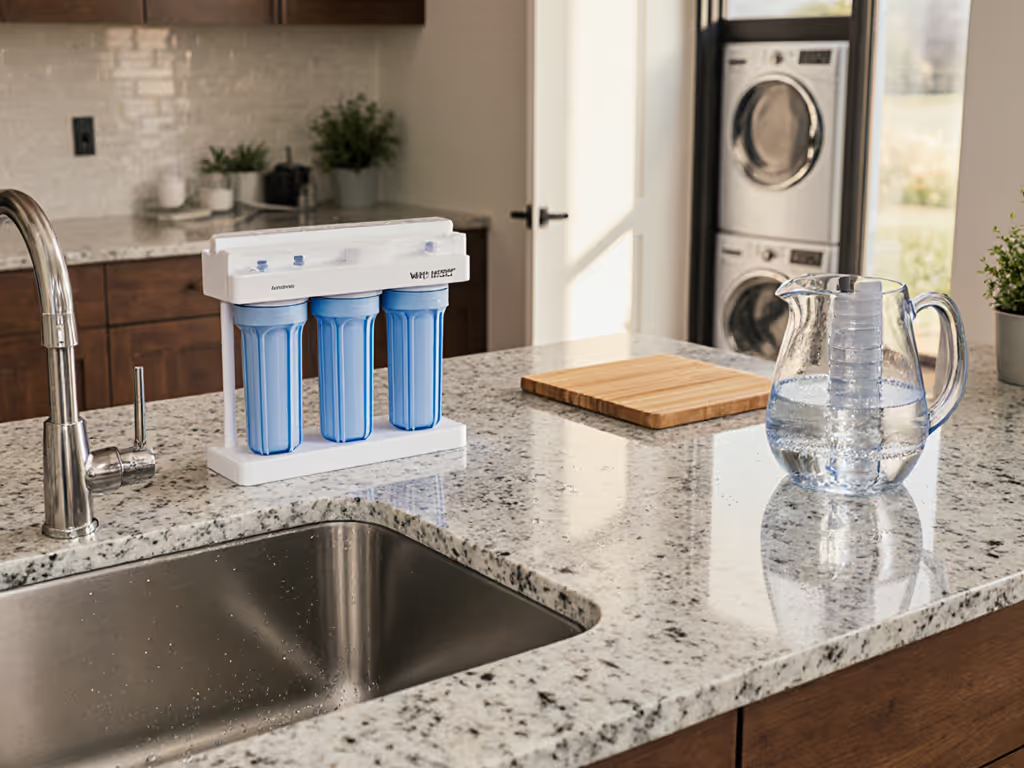
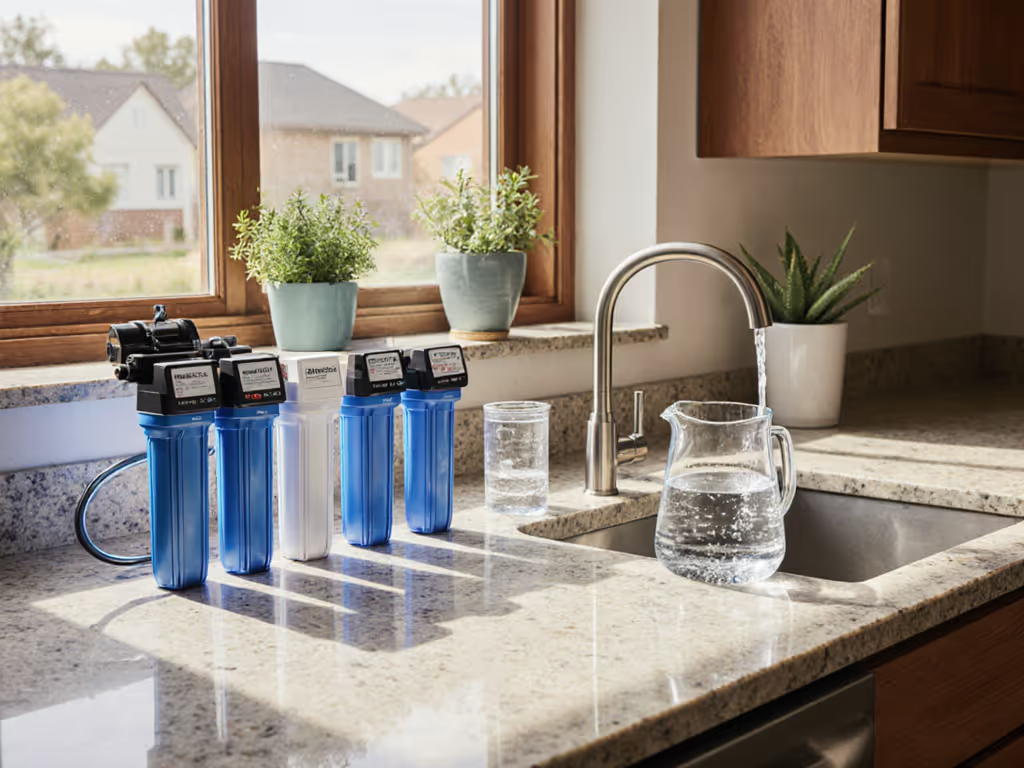
How to Choose the Right Home Water Filtration: A Simple Guide for Smart Households
You do not need to be a water expert to benefit from understanding your home's water quality. In fact, if you are a homeowner or a parent managing a household budget, knowing the long-term trends in your water quality can guide when to service systems, replace cartridges, or upgrade equipment. Think of it like monitoring any household system: one test is a snapshot, but a trend is a story. At Clean Water, Less Waste, we provide personalized filtration recommendations and certified filtration solutions to help families make confident choices. That same disciplined, data-first mindset applies to tracking contaminants, maintenance needs, and total ownership costs for your water system.
Before we dive in, a quick note: this article is educational, not individualized replacement advice. Your decisions should reflect your water source, contaminant profile, household needs, and budget. We will use plain-English explanations, intuitive analogies, and practical checklists so you can build a repeatable routine. Along the way, we will draw on how Clean Water, Less Waste evaluates filters using verifiable certifications like NSF/ANSI [National Sanitation Foundation/American National Standards Institute] and how we combine lab-grade water quality analysis with lifecycle cost and waste footprint assessment. Ready to make testing and upkeep feel less mysterious and more useful?
What Home Water Quality Means and Why Monitoring Trends Matter
Your tap water’s quality depends on source (municipal vs. well), distribution infrastructure, and in-home plumbing. If you're on city water, learn how to read your Consumer Confidence Report (CCR) to interpret utility-reported contaminants and seasonal notices. Some contaminants - like chlorine taste - are obvious quickly, while others - like lead or nitrate - require testing to detect. Regular monitoring helps set expectations for maintenance, plan replacement schedules, and avoid surprise costs. For a household, unexpected deterioration in water quality can feel as urgent as a leaking pipe; trend data gives you the manual and the timeline.
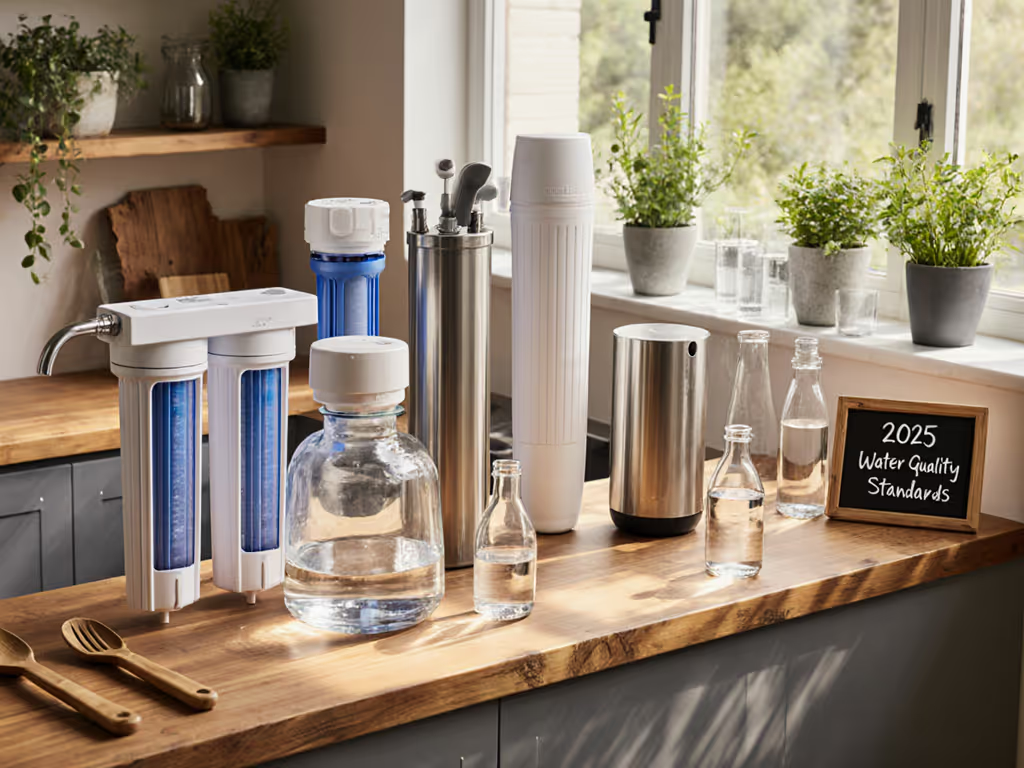
There are two practical ways to track changes: spot tests (single sample lab results or consumer test strips) and series of measurements over time (seasonal lab tests, periodic TDS readings, or flow and pressure logs). Over months and years, these trends matter a lot, much like filter replacement schedules do for true cost-of-ownership. You will also compare filter options by contaminant reduction claims, certified performance, capacity, and waste footprint. The point is not to memorize jargon, but to learn what to measure so you draw the right conclusions. For a plain-English primer on filter technologies, see Activated Carbon vs RO so specs translate into practical choices.
Finally, context beats headlines. A temporary taste of chlorine after municipal flushing may be an isolated event, whereas gradually increasing turbidity or recurring bacterial positives point to maintenance or source issues. A few simple tools and a routine can separate normal seasonal variability from issues that require action.
How to Interpret Your Water Quality Data Without Getting Lost
Start with timeframes. Short-term checks (days to weeks) catch acute problems: taste, odor, discoloration, or sudden pressure drops. Intermediate monitoring (1 to 6 months) captures whether a seasonal pattern or system degradation is emerging. Long-term trends (6 months to multi-year) reveal slow changes in source water quality, aging infrastructure, or the true cost of a filtration approach. Like testing your water at different intervals, using multiple timeframes provides a fuller picture than any single reading.
Watch This Helpful Video
To help you better understand s and p 500 stock price, we've included this informative video from Chris Invests. It provides valuable insights and visual demonstrations that complement the written content.
Next, define your north star with a plan. Ask yourself: What contaminants matter most for my household? How often will I test? Which metrics will I record every time? Consistency beats complexity. A simple plan might be: annual comprehensive lab test for regulated contaminants, quarterly TDS and flow checks, and monthly visual/taste inspections. Then you record observations in a log, just like you would track filter performance and replacement dates. If you prefer, Clean Water, Less Waste can provide personalized filtration recommendations based on your results and household priorities.
Finally, annotate the story. Imagine a clean log: a line for turbidity, bars for lead measurements, and simple markers for service events like cartridge changes. Do you see steady low readings over months? That suggests systems are working. Are readings creeping up after several months since replacement? That signals maintenance or capacity issues. The goal is not to eliminate every fluctuation but to align your behavior with the prevailing condition of your water and equipment.
Reading Water Quality Across Timeframes
To make timeframes practical, use a top-down routine. Start with an annual comprehensive lab test to define the big picture, step down to quarterly checks for intermediate changes, then finish with monthly or weekly quick checks for day-to-day signs. This mirrors how Clean Water, Less Waste evaluates water sources first (municipal vs. well), then zooms into specific contaminants, certifications, and maintenance demands.
Here is a simple way to structure your view across horizons:
| Horizon | What to Check | What It Suggests | Household Analogy |
|---|---|---|---|
| Annual | Comprehensive lab test for regulated and common local contaminants; system inspection | Overall system suitability and long-term trends | Annual water budget and filter system choice |
| Quarterly | Targeted tests (lead, nitrate, hardness, chlorine residual) and capacity checks | Emerging patterns and maintenance scheduling | Quarterly maintenance schedule |
| Monthly | Flow rate, pressure, taste/odor, TDS (total dissolved solids) | Short-term performance and need for immediate action | Daily water usage and filter flow rate |
Transitions matter between timeframes. If annual and quarterly tests are within targets but monthly checks show gradual flow reduction, that often signals nearing capacity or clogging and offers a lower-disruption spot to replace cartridges. If annual results worsen while quarterly and monthly checks decline too, tighten up your maintenance and consider a system evaluation. Keep notes so you can see whether your interventions helped, just as you would compare certified filter claims against your measured water results.
Core Evaluation Tools: Lab Tests, TDS Meter, Flow Rate, and Certifications
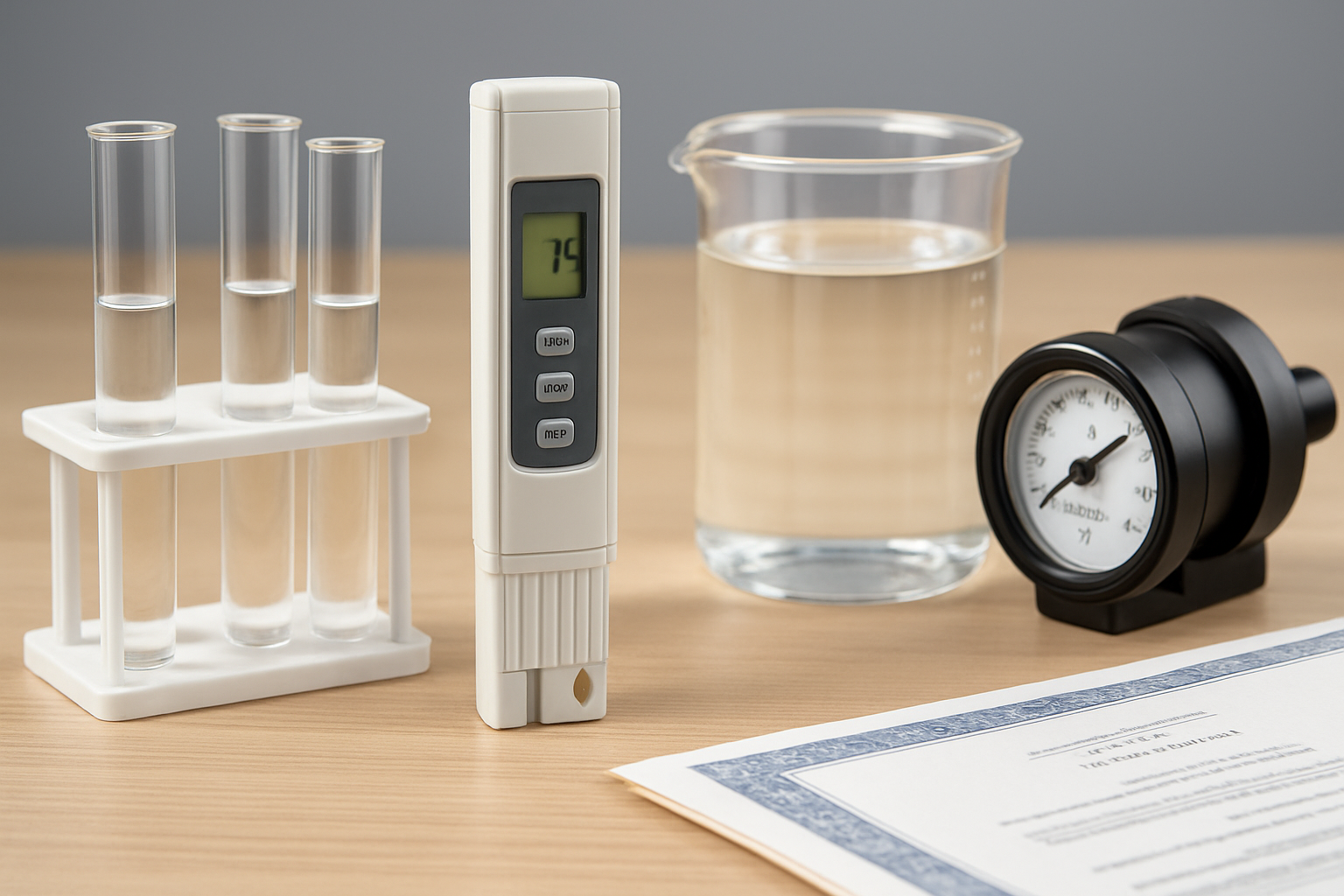
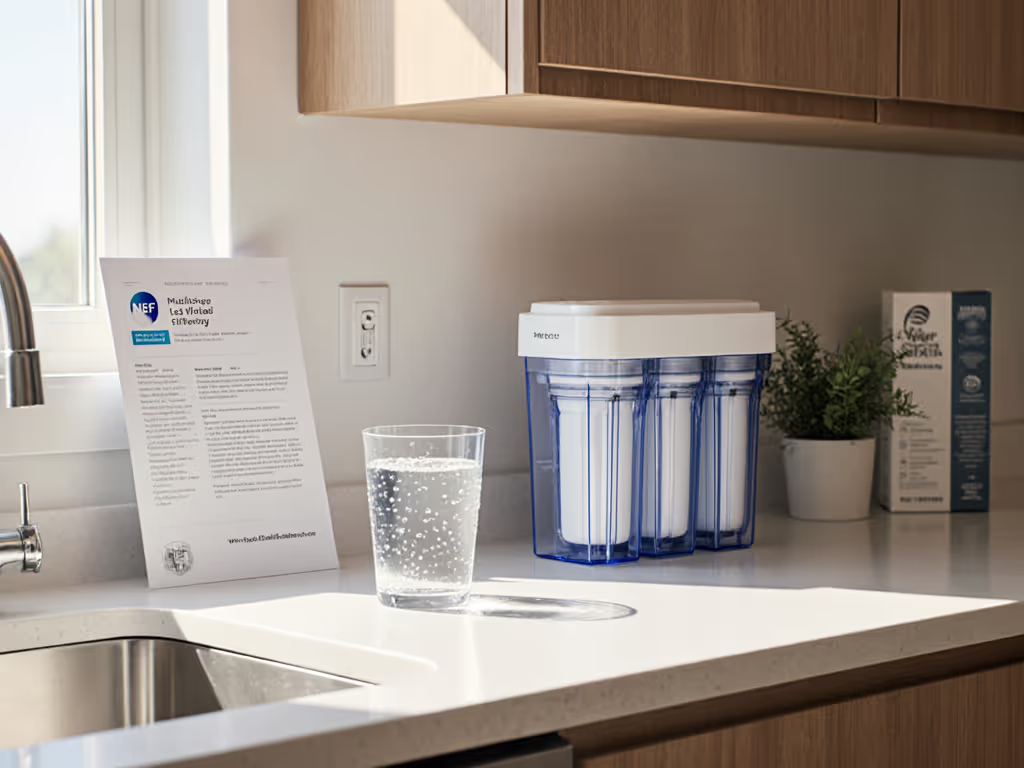
A few classic tools can help you assess water quality and filtration performance with less noise. Laboratory analyses provide accurate contaminant measurements and are the foundation for decisions. A TDS meter gives a quick snapshot of dissolved solids and can show trends between lab tests. Flow rate and pressure checks reveal clogging and capacity issues. Certification checks (NSF/ANSI standards) confirm a filter's tested performance for specific contaminants. Used together, they give you a balanced view of system effectiveness, cost, and environmental impact.
Before relying on any single tool, understand what it is and is not. Home test strips can indicate the presence of an issue but are less precise than lab analyses; a TDS meter does not identify specific contaminants. Certifications like NSF/ANSI validate specific claims (e.g., lead reduction) but only for the contaminants and conditions tested. If you apply these tools consistently and interpret them within context, you will build a reliable memory of how your water and equipment behave over time. That discipline parallels Clean Water, Less Waste’s emphasis on certified performance, verified capacities, and waste footprint trade-offs.
| Tool | What It Measures | Strengths | Caveats |
|---|---|---|---|
| Comprehensive Lab Test | Specific contaminant concentrations (lead, nitrate, PFAS, bacteria, etc.) | Accurate, legally recognized, broad scope | Cost and turnaround time; requires proper sampling |
| TDS Meter | Relative dissolved solids level | Fast, inexpensive, good for trend spotting | Does not identify specific contaminants |
| Flow Rate & Pressure Checks | System capacity and signs of clogging | Indicates maintenance needs; simple to measure | Can vary with household usage; needs baseline |
| NSF/ANSI Certifications | Verified contaminant reduction claims under specific conditions | Trusted standard for performance | Performance depends on conditions; confirm which contaminants are covered |
| Visual/Taste/Odor Checks | Immediate sensory cues | Quick and actionable | Subjective; not a substitute for testing |
One more mindset tip: corroboration. If lab tests show low lead, TDS is stable, flow rate is within spec, and an NSF/ANSI-certified filter is installed and maintained, the evidence aligns. When tools disagree, step back on confidence and investigate further: retest, inspect plumbing, or consult a professional. That same philosophy is what we use when recommending filters: we corroborate claims with certification data, measured performance, and real maintenance realities.
Manage Risks: Contaminant Spikes, System Failures, and Scenarios
Water systems present various risks: intermittent contamination events, progressive clogging, or unexpected failures. Knowing typical issues in your area and planning responses prevents panic. A simple rule: decide on actions when calm, then follow them when a test or symptom appears. That is how households avoid overspending on filtration systems - by relying on verified needs rather than fear or marketing.
Scenario planning helps you pre-commit. The table below gives examples you can adapt to your own water source, risk tolerance, and household priorities. If hard water is on your list, this overview of hard water effects explains appliance wear and what treatments actually help.
| Condition | What It Often Means | Example Response | Household Analogy |
|---|---|---|---|
| Lab shows elevated lead | Immediate health concern for vulnerable members | Install certified lead-reduction point-of-use filter; stop using tap water for drinking until addressed | Fix the leaking faucet before water damage spreads |
| High hardness and scale buildup | Reduced appliance lifespan and clogging | Consider water softening options or targeted pre-filters; monitor appliance maintenance | Descale the kettle regularly to maintain efficiency |
| Sudden discoloration or sediment | Distribution disturbance or pipe corrosion | Run and flush taps, test turbidity, consult utility or plumber if persistent | Clear a clogged drain early before deeper blockages form |
| NSF/ANSI-certified filter nearing capacity | Performance decline likely | Replace cartridge on schedule; log capacity and waste generation | Replace air filter per schedule to keep HVAC efficient |
Remember fundamentals. Source protection, plumbing condition, and certified filtration performance influence long-term water quality and costs. Pair regular testing with appropriate filtration choices, and assess total ownership: replacement part availability, replacement frequency, disposal or recycling options, and upfront versus ongoing costs. To plan the budget side, compare ongoing filter replacement costs across brands and technologies. Clean Water, Less Waste helps households by providing personalized filtration recommendations, conducting water quality analysis, evaluating filtration systems, and assessing cost and waste footprints so the plan you choose is one you can keep.
Data Discipline You Can Trust: What Homeowners Should Expect
Why emphasize a certification-first mindset? Because household water decisions reward verified data, transparent standards, and a long-term cost view. Clean Water, Less Waste offers personalized filtration recommendations and certified filtration solutions, and we explain what certifications like NSF 42 (aesthetics) vs. NSF 53 (health-related contaminants) mean for your situation. We also highlight maintenance schedules, replacement cost, and waste footprint so families compare total ownership, not just sticker price.
Here is how a certification-first approach translates to practical household actions:
| Clean Water, Less Waste Practice | Homeowner Equivalent | Benefit to You |
|---|---|---|
| Personalized filtration recommendations | Tailored filter selection and maintenance plan | Reduces overwhelm; matches performance to actual needs |
| NSF/ANSI certified reviews | Use certification to verify specific contaminant reductions | Improves trust in product claims |
| Cost and waste footprint emphasis | Compare cartridge lifespans, disposal, and operating costs | Enhances long-term outcomes you can stick with |
| Guides for well water vs. municipal | Different testing and treatment priorities | Right tool for each condition |
The big takeaway: choose a standard, follow it, and measure what matters. Whether you are selecting a point-of-use filter or evaluating recurring turbidity, the discipline of verified inputs plus repeatable evaluation helps you ignore hype and act with confidence.
Build a Simple Monthly Routine That Sticks
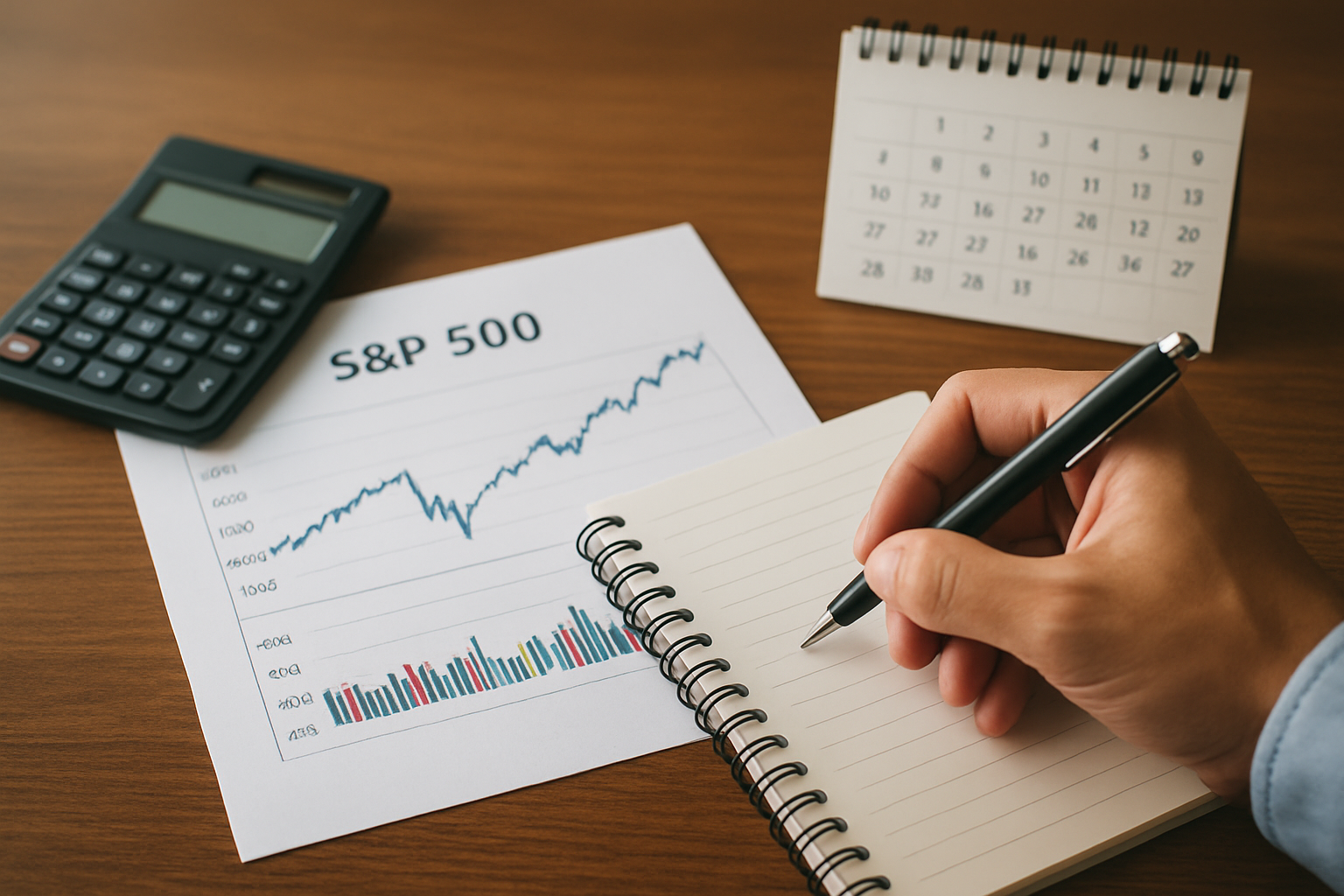
Routines beat willpower. Block 15 minutes on the same day each month. Review your latest quick checks: flow, TDS, and any sensory notes. Confirm when the last cartridge was replaced and when the next comprehensive lab test is due. Write down three things: current status (good, watch, action), any recent changes, and the next maintenance step. If you cannot do this in five lines, simplify; it should feel like updating a maintenance log, not cramming for a test.
Then connect the routine to your plan. If you have vulnerable household members or known contaminants, prioritize certified point-of-use systems and more frequent testing. For general aesthetics concerns, a certified carbon-based solution with scheduled replacements may suffice. Clean Water, Less Waste’s personalized filtration recommendations can model how to tailor rules to your household’s realities and budget.
Finally, embrace iteration. Each quarter, review your notes. Did replacing a cartridge when TDS rose restore clarity? Did a new source event prompt additional testing that prevented exposure? Tighten the checklist, not the emotions. Over time, your water quality will still surprise you, but your response will be calmer, clearer, and more consistent.
A Quick Reference: Water Test Results vs. Homeowner Actions
Use this compact reference to connect what you see with what you do. Keep it near your water records, just like a laminated filter replacement guide on the pantry door. The goal is not perfection; it is consistency with guardrails so your household water plan survives surprises.
| Visual/Result | Interpretation | Possible Action | Why It Helps |
|---|---|---|---|
| Consistently low contaminant levels on lab tests | System and source stable | Maintain schedule; log and re-test annually | Ensures ongoing safety without unnecessary spending |
| Flow rate decreasing; pressure loss | Clogging or capacity nearing end of life | Inspect and replace cartridge; check pre-filters | Prevents performance failures and protects appliances |
| New taste/odor complaints | Possible disinfection change or local issue | Run and flush taps; test for chlorine and organics; consult utility | Identifies treatable, often short-term problems |
| Lab detects regulated contaminant above action level | Health risk for certain uses | Use certified point-of-use filters for the contaminant; seek remediation | Protects health of household members |
| NSF/ANSI certification matches your contaminant need | Filter tested for relevant reduction | Follow certified usage and replacement guidance | Reliably addresses specific concerns |
Keep this perspective: water quality integrates source conditions, household plumbing, and system choices. Your edge is designing a process you can follow through seasons. That is why Clean Water, Less Waste prioritizes certified data and long-term cost-and-waste trade-offs over flashy claims. With a steady routine, the noise fades and the real issues become clear.
Case study, household edition: A family on well water tests annually and monitors TDS monthly. When tests show rising iron and hardness over several quarters, they consult Clean Water, Less Waste for a filtration evaluation. Based on water quality analysis and system assessment, they install a certified solution with a predictable replacement schedule and a documented waste-management plan. Their decisions feel boring, which is the point: consistency beats drama, just as choosing a certified filter with known maintenance beats chasing the newest gadget.
Through it all, remember that household water systems reward patience and preparation. Pair a simple, verifiable toolkit with a plan that fits your life. Rely on Clean Water, Less Waste’s capabilities in water quality analysis, filtration system evaluation, personalized filtration recommendations, and cost and waste footprint assessment, and you will be better equipped to keep your household water safe and practical.
Bringing It All Together: Your Home Water Checklist
Want a one-page routine to print or pin? Here is a concise checklist you can follow in under 15 minutes per month. You can tweak line items to match your source and household, but keep the structure so your notes look comparable over time. Think of this like a personalized filtration recommendation plan: the components are standard, yet your mix is tailored to what matters at home.
- Schedule an annual comprehensive lab test and log results.
- Quarterly: check targeted parameters (lead, nitrate, hardness) and inspect system seals and connections.
- Monthly: measure TDS and flow rate; note any taste, odor, or discoloration.
- Track filter cartridge age, remaining capacity, and disposal/recycling steps.
- Decide action thresholds in advance: when to replace, when to retest, and when to consult a pro.
- Document any systemic changes: new plumbing work, municipal notices, or source changes.
Keep your logs short and factual. Over months, you will see patterns: which maintenance steps prevented problems, which interventions were costly, and which helped preserve system performance and minimize waste. That feedback loop is gold. Just as Clean Water, Less Waste uses NSF/ANSI certifications and verified performance data to guide filter choices by contaminant reduction, capacity, maintenance, and long-term waste footprint, you can let verified, repeatable evidence guide your household water routine.
Pro tip: Avoid tool overload. Pick two to four measurements and master them (for example: annual lab test, monthly TDS, flow checks, and cartridge age). Use the same sampling and measurement methods every time. If you ever feel lost, zoom out to the annual test, take a breath, and re-center on your plan. The simplest consistent process will beat complex, inconsistent tinkering over the years.
Finally, if you appreciate a clear, data-first framework for household decisions, explore how Clean Water, Less Waste’s personalized filtration recommendations and certified filtration solutions can streamline your home’s water choices while you keep up the testing routine. The same mindset that cuts through marketing fog in filtration provides clarity for everyday household water management.
This content is for education. For specific health concerns, consult a certified laboratory or public health professional.
Closing Thoughts
Managing home water quality is not fortune-telling; it is building a calm, repeatable process around testing, maintenance, and certified solutions. Imagine the next 12 months where you spend 15 quiet minutes each month, log clear observations, and let your maintenance plan do the heavy lifting, the way certified, verified filtration choices remove guesswork at home. What would your household feel like if you trusted your routine as much as your best household systems?
Ready to make your water safer, clearer, and less wasteful?
Additional Resources
Explore these authoritative resources to dive deeper into s and p 500 stock price.
Sharpen Your Home Water Plan with Clean Water, Less Waste
Need help interpreting lab results or choosing the right certified solution? Get personalized filtration recommendations and certified filtration solutions backed by water quality analysis, filtration system evaluation, and cost and waste footprint assessment for homeowners and families.
Related Articles