Hard Water Effects: How It Damages Your Appliances
By Diego Alvarez • 3rd Oct
If you've noticed your appliances struggling or requiring more frequent repairs, hard water effects might be silently working against you. As someone who tests filtration systems for everyday usability, I've seen how calcium and magnesium, the mineral content in water, can gradually choke the life out of your most valuable home investments. The right hard water softener isn't just about comfort; it is the only reliable way to prevent expensive damage while maintaining soap efficiency and appliance longevity. After witnessing countless homeowners face surprise repair bills, I believe certified performance only protects if the system is easy to live with, because if it is hard to maintain, it will not protect you.
What Exactly Is Hard Water and How Does It Damage Appliances?
Hard water contains elevated levels of naturally occurring minerals, primarily calcium and magnesium ions. As this water flows through your appliances, it leaves behind scale buildup, a chalky, rock-hard deposit that accumulates silently inside pipes, heating elements, and mechanical components.
Here's what happens inside your appliances:
- Water heats up → minerals solidify faster
- Water evaporates → leaves concentrated mineral deposits
- Water cycles through → deposits layer over time
This scale buildup acts like cholesterol in your home's "circulatory system," forcing appliances to work harder while gradually reducing their effective lifespan. The U.S. Geological Survey confirms that over 85% of American homes have some degree of hard water, with the hardest water found in the Midwest and Southwest regions.
Which Appliances Are Most Vulnerable?
Water Heater
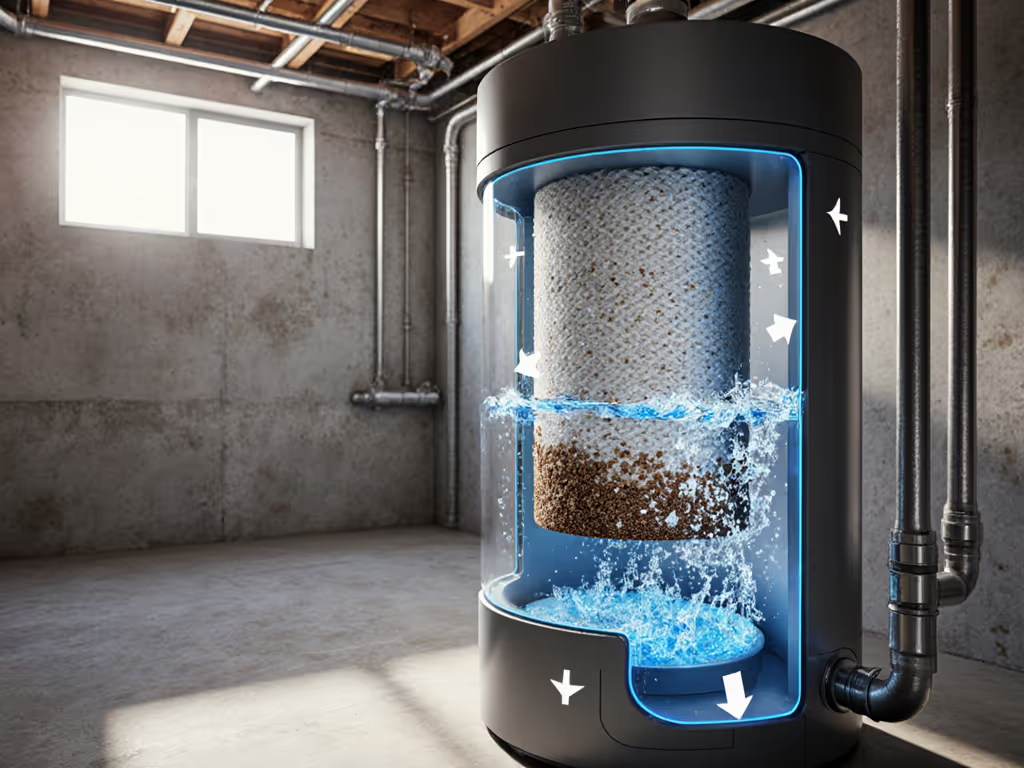
Your water heater suffers the most dramatic hard water effects. Scale buildup forms an insulating layer on heating elements (electric) or at the tank bottom (gas), forcing the system to consume up to 30% more energy to reach the same temperature. The Department of Energy reports that just 1/8-inch of scale can increase energy consumption by 4-8%, while significantly shortening the appliance's lifespan. Many manufacturers actually void warranties when hard water damage is evident.
Washing Machine
Hard water sabotages both your machine and your laundry. Minerals react with detergents, reducing soap efficiency and leaving residue on fabrics that makes clothes feel stiff and look dull. Internally, scale clogs water inlet valves, pumps, and drain lines. I've tested machines where hard water caused water fill times to double (from 3 to 6 minutes) due to restricted flow rates. Front-loading models are especially vulnerable, as their complex drain pumps clog easily from mineral deposits.
Dishwasher
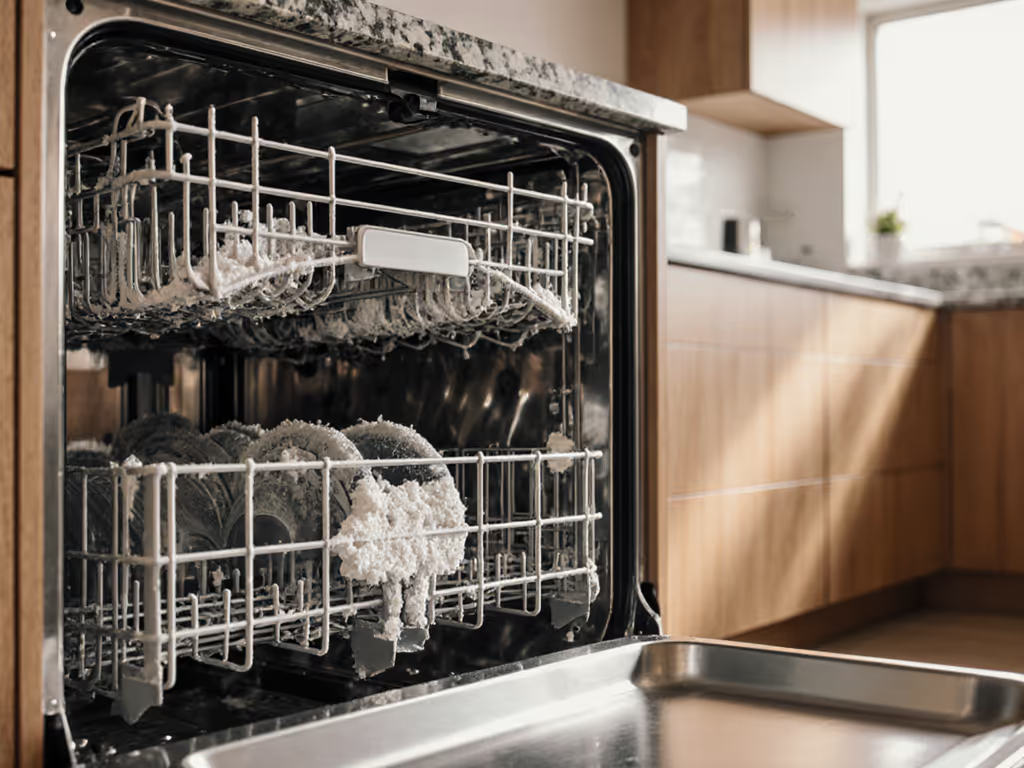
Look for these telltale signs of hard water damage in your dishwasher:
- White film or spots on glassware
- Reduced spray arm rotation from clogged jets
- Heating element coated in white scale
- Longer drying times (minerals prevent proper sheeting)
Scale buildup in spray arms can reduce water pressure by up to 50%, dramatically affecting cleaning performance. The hidden damage occurs in the circulation pump and drain valve (areas that require professional repair when clogged).
If maintenance takes more than 15 minutes, you'll skip it (guaranteed). That's why I evaluate clearance, flow, and install steps first, because maintenance friction decides whether families actually get certified protection every day.
How Can You Tell If Hard Water Is Damaging Your Appliances?
Check these preflight steps before assuming your appliance is failing:
- Inspect visible components for chalky white deposits (heating elements, spray arms, aerators)
- Time water fill cycles - significant slowdowns indicate restriction
- Check energy bills for unexplained increases
- Test soap lathering - hard water creates poor lather with more detergent needed
- Examine fixture stains - reddish brown indicates iron, white indicates calcium/magnesium
Safety cautions noted: Never ignore unusual noises from water heaters or washing machines, as scale buildup can create dangerous pressure situations. Shut off power and call a professional if you hear banging or rumbling sounds.
What Solutions Exist to Prevent Hard Water Damage?
Water Softener vs. Conditioner: Know the Difference
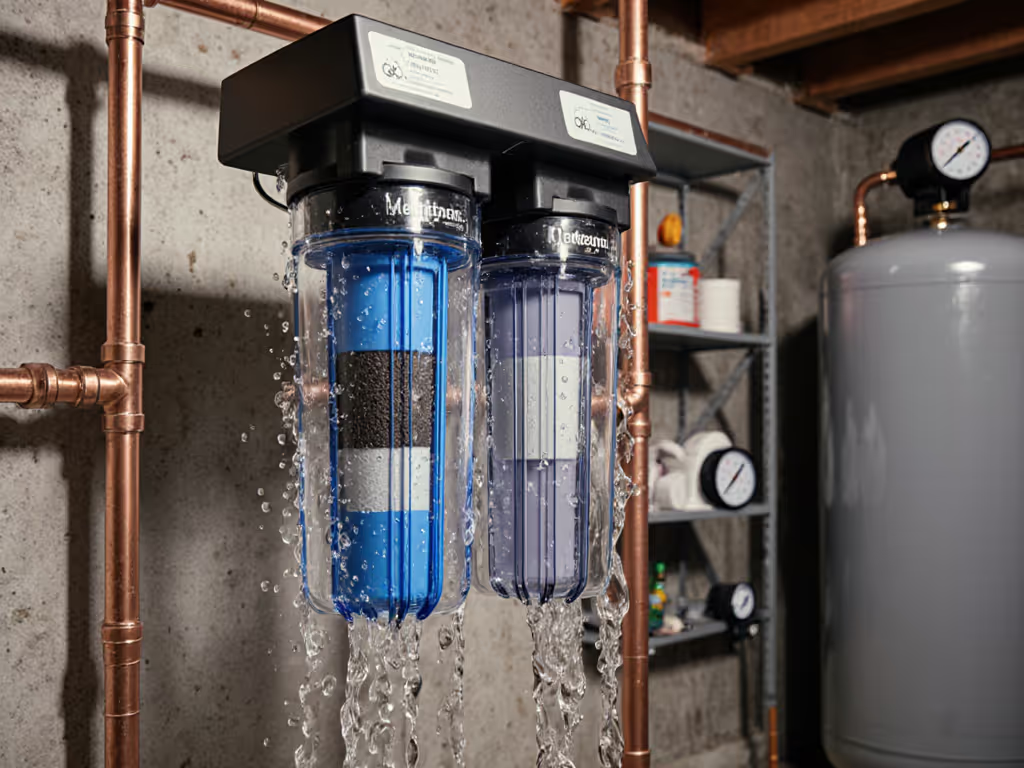
A true hard water softener uses ion exchange technology to actually remove calcium and magnesium ions, replacing them with sodium or potassium ions. This eliminates scale buildup at the molecular level. On the other hand, water conditioners merely alter the mineral structure to reduce scaling, but they don't remove minerals, so they don't improve soap efficiency or eliminate spotting.
Key performance metrics to verify:
- Grains capacity (how much hardness it can remove before regeneration)
- Flow rate (must match your household's peak demand)
- Regeneration frequency (smart systems adjust based on actual use)
- Certifications (look for NSF/ANSI 44 for softeners)
I've seen too many homeowners invest in systems that promise soft water but require complex maintenance they'll never perform. That wrist injury I had taught me tool-less housings and quarter-turn mounts change everything (maintenance in minutes, not hours).
Temporary Mitigation Strategies
While not substitutes for proper softening, these can help prolong appliance life:
- Regular vinegar flushes for coffee makers and kettles (1:1 vinegar/water solution)
- Appliance-specific cleaners formulated for scale removal (follow manufacturer instructions)
- Adjusting detergent amounts (use less in softened water, more in hard water)
- Lowering water heater temperature to 120°F (reduces scale formation rate)
What's the Real Cost of Ignoring Hard Water?
| Appliance | Reduced Lifespan | Annual Energy Cost Increase | Repair Frequency |
|---|---|---|---|
| Water Heater | 30-50% shorter | $30-$90 | 2-3x more repairs |
| Washing Machine | 20-40% shorter | $15-$40 | 1.5-2x more repairs |
| Dishwasher | 15-30% shorter | $10-$30 | 1.5x more repairs |
While the initial investment in a water softening system seems significant, most homeowners recoup costs within 3-5 years through reduced appliance repairs, lower energy bills, and decreased detergent usage. The EPA estimates household cleaning product usage decreases by 50-75% with softened water.
Actionable Next Steps: Protect Your Appliances Today
- Test your water (don't guess!) Many municipalities provide water quality reports, but for accurate hardness levels, use a $10 test strip or contact a local water professional for a free in-home analysis.
- Document appliance issues: take photos of scale buildup and note performance changes. This creates a baseline to measure improvement.
- Evaluate your softening options based on certified performance AND maintenance requirements. Look for systems with clear sequence verbs in instructions, tool-less components, and reasonable clearance needs.
- Schedule preventive maintenance: set reminders for appliance cleaning cycles based on your actual water hardness level.
You've invested thousands in your appliances, don't let invisible minerals undermine that investment. The right solution provides certified protection that fits your daily routine, not the other way around. Remember: maintenance in minutes, not hours, is what ensures your family actually gets the protection you paid for.
If it is hard to maintain, it will not protect you.
Related Articles